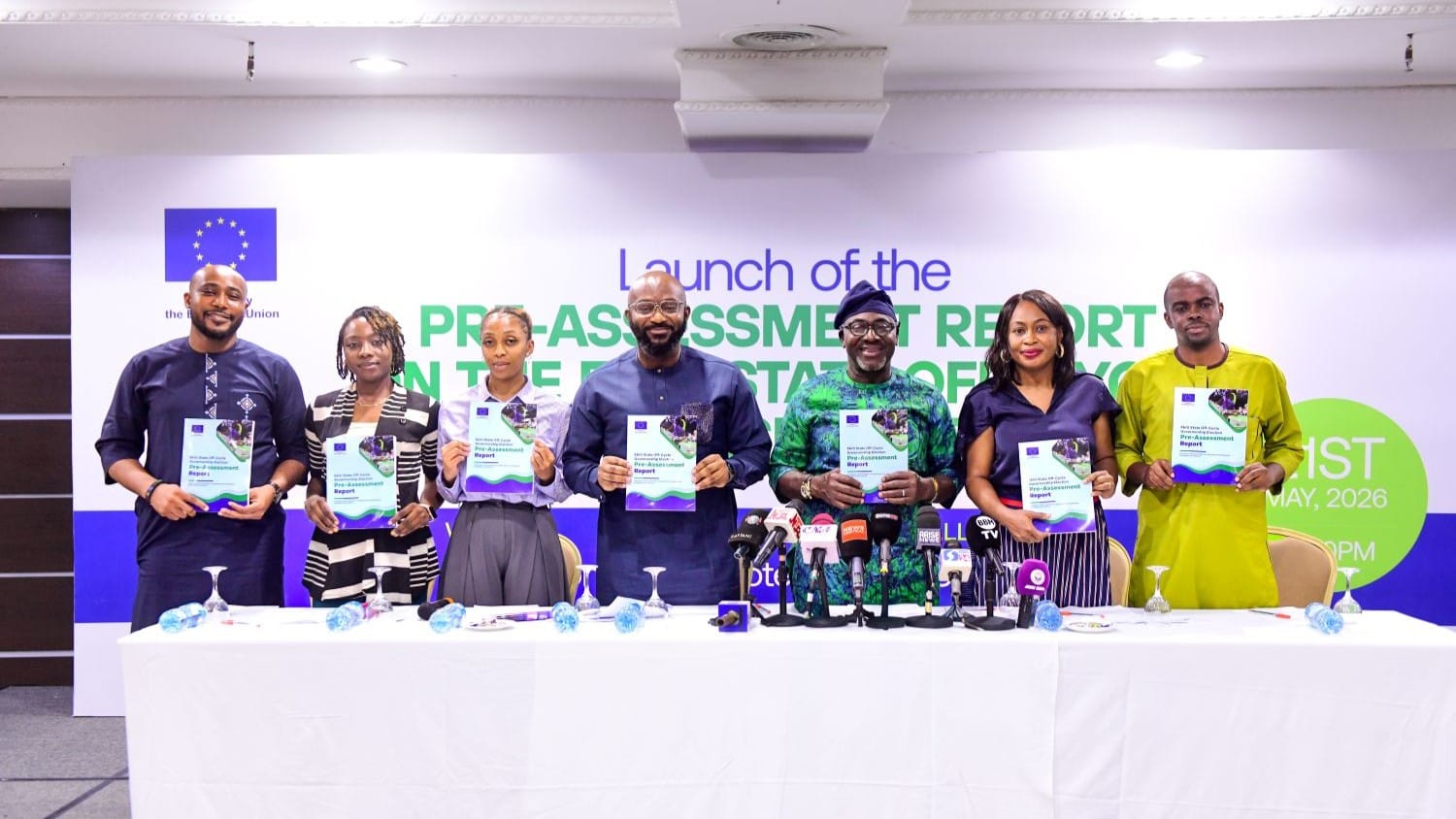
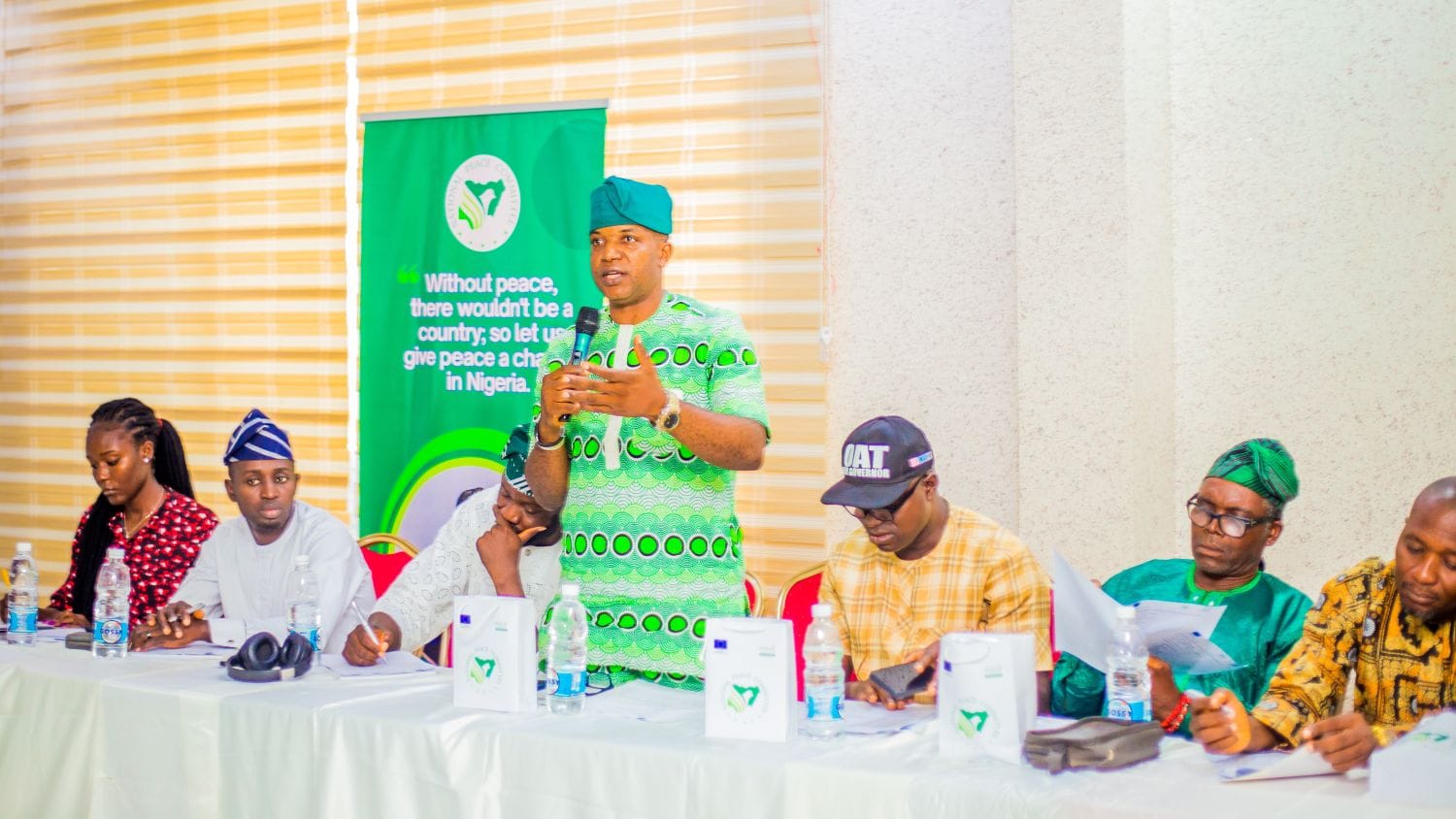
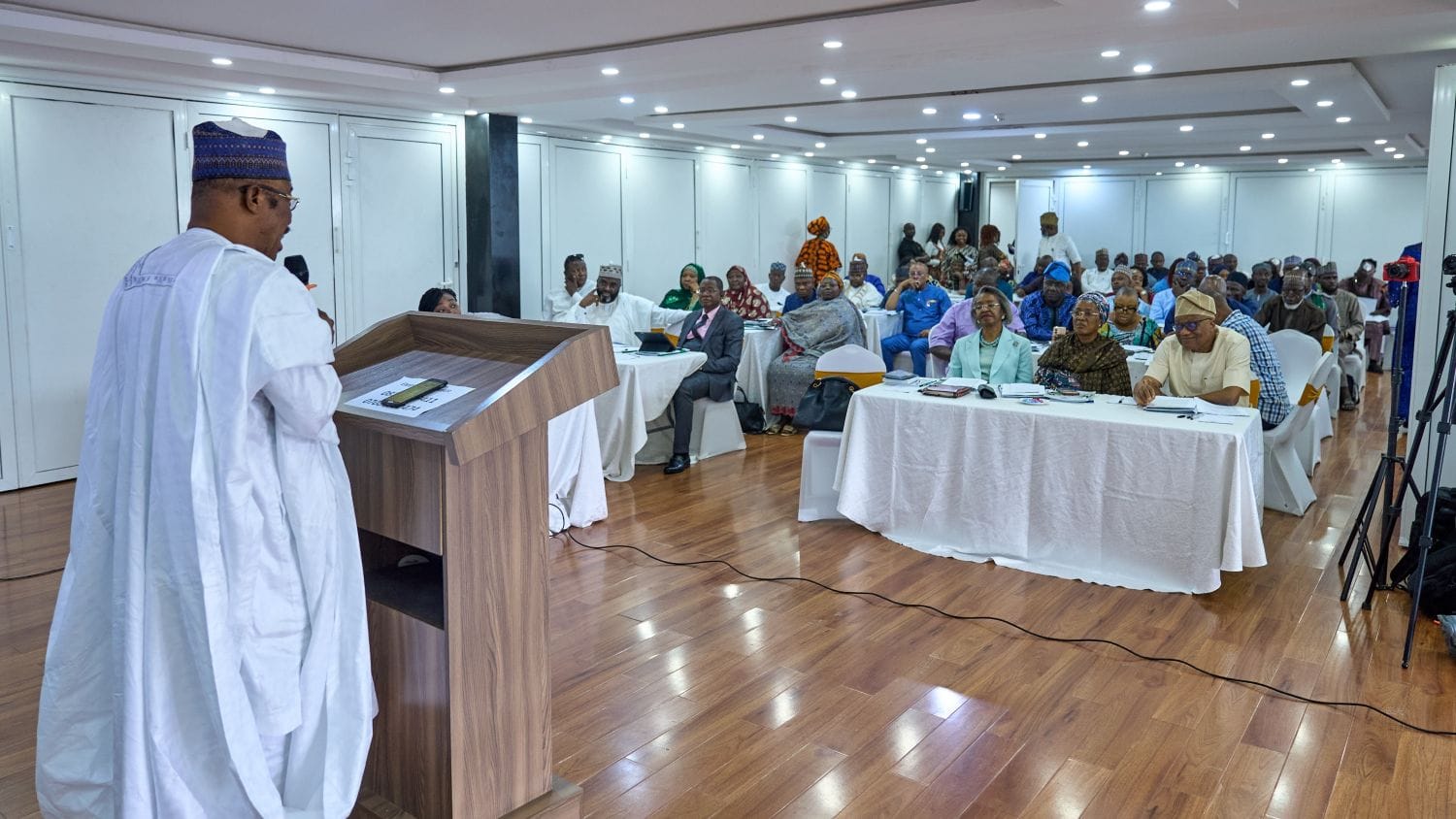
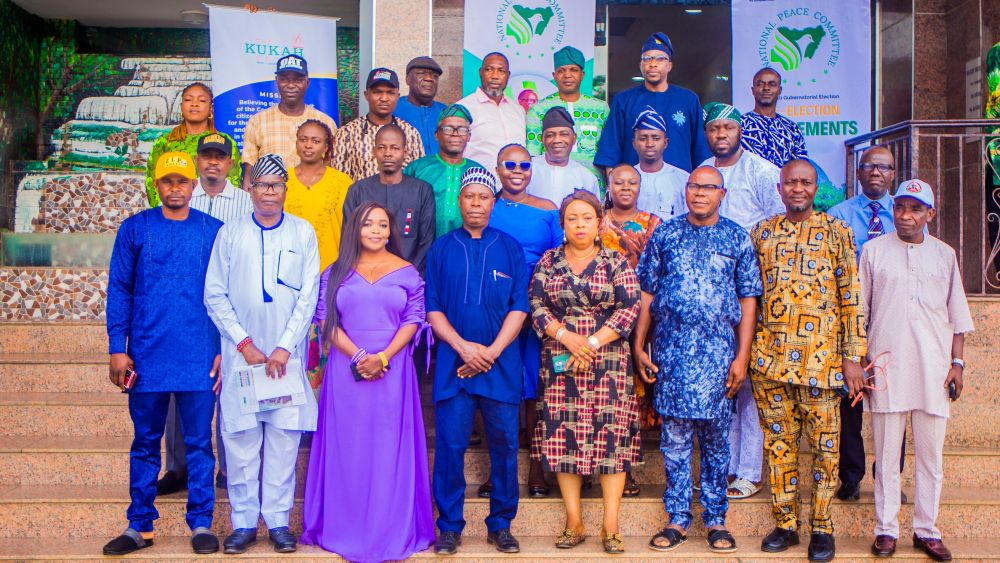
The European Union Support to Democratic Governance in Nigeria (EU-SDGN II) has presented a comprehensive media monitoring report on the coverage of the 2023 general election to media professionals, civil society actors.
The presentation, which was made during a high-level Virtual Stakeholder Engagement, also captures reports of off-cycle elections.
The document, developed by the Centre for Media and Society (CEMESO) highlighted how the media shaped public discourse and voter understanding during these pivotal democratic moments.
Executive Director of CEMESO, Dr. Akin Akingbulu, while welcoming participants to the event, stressed the importance of the reports, saying, “This report is a tool, crafted for you, the media professionals, to improve content, ethics, and inclusivity in election coverage.”
The findings of the reports highlighted key areas of performance to include: coverage patterns, narrative framing, balance and fairness, inclusivity, accuracy, and ethics. Importantly, the reports aim not just to critique but to offer a roadmap towards more accountable and citizen-focused journalism.
“We urge media professionals to use these reports to identify best practices, pinpoint gaps, enhance civic education, strengthen inclusivity, and uphold ethics,” Dr. Akingbulu added.
Speakers at the engagement echoed the need for a renewed commitment to training, with a focus on issue-based reporting and reinforced by fact-checking. This consensus reflects the crucial role of the media in safeguarding democracy. “Let’s commit to training, issue-based reporting, and stronger fact-checking. The media must rise as a pillar of democracy,” Dr. Akingbulu urged.
The event provided a platform for the convergence of key stakeholders, including journalists, editors, and media trainers, to reaffirm the role of strategic media monitoring in strengthening electoral integrity and fostering public trust in democratic institutions.