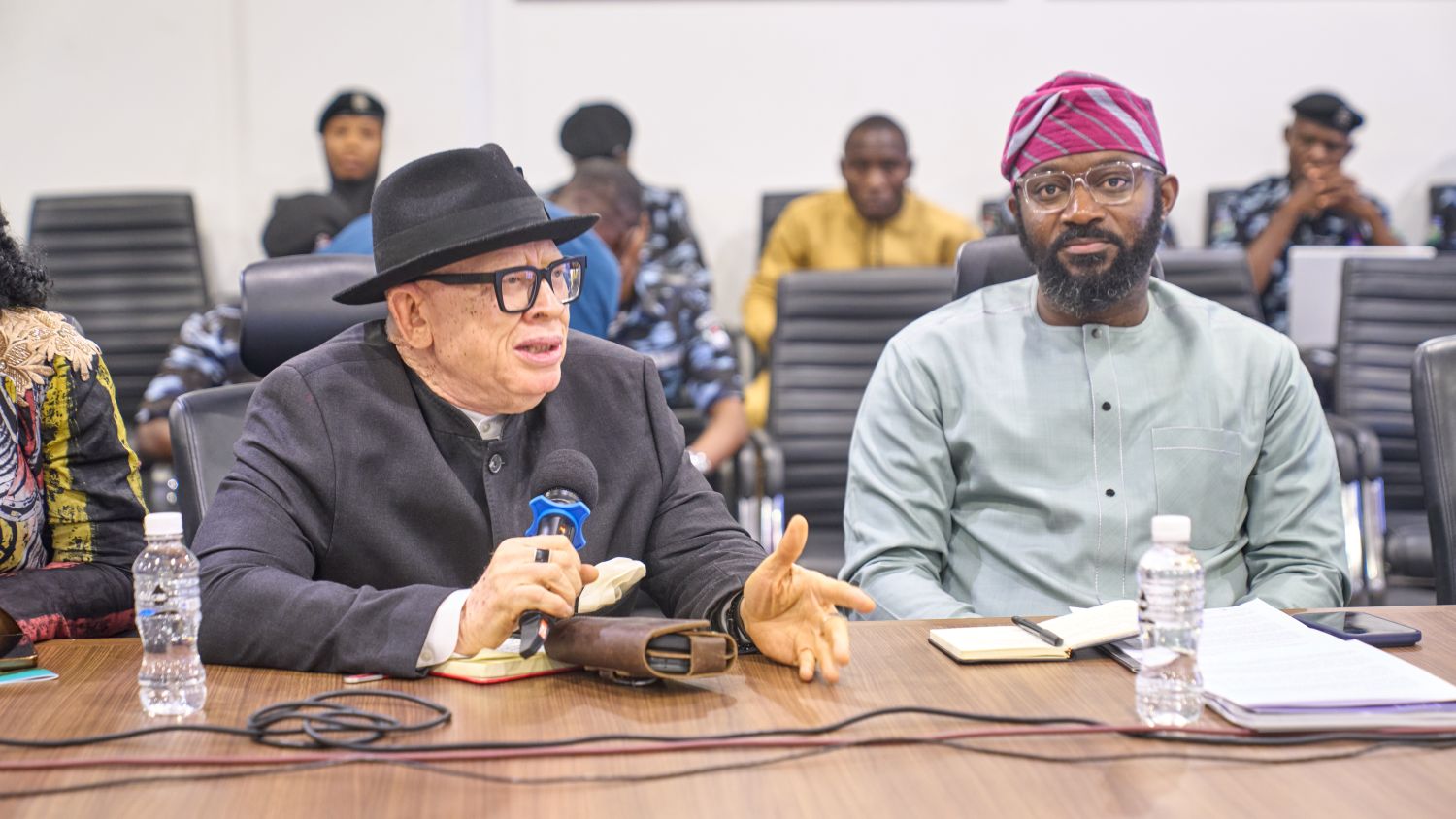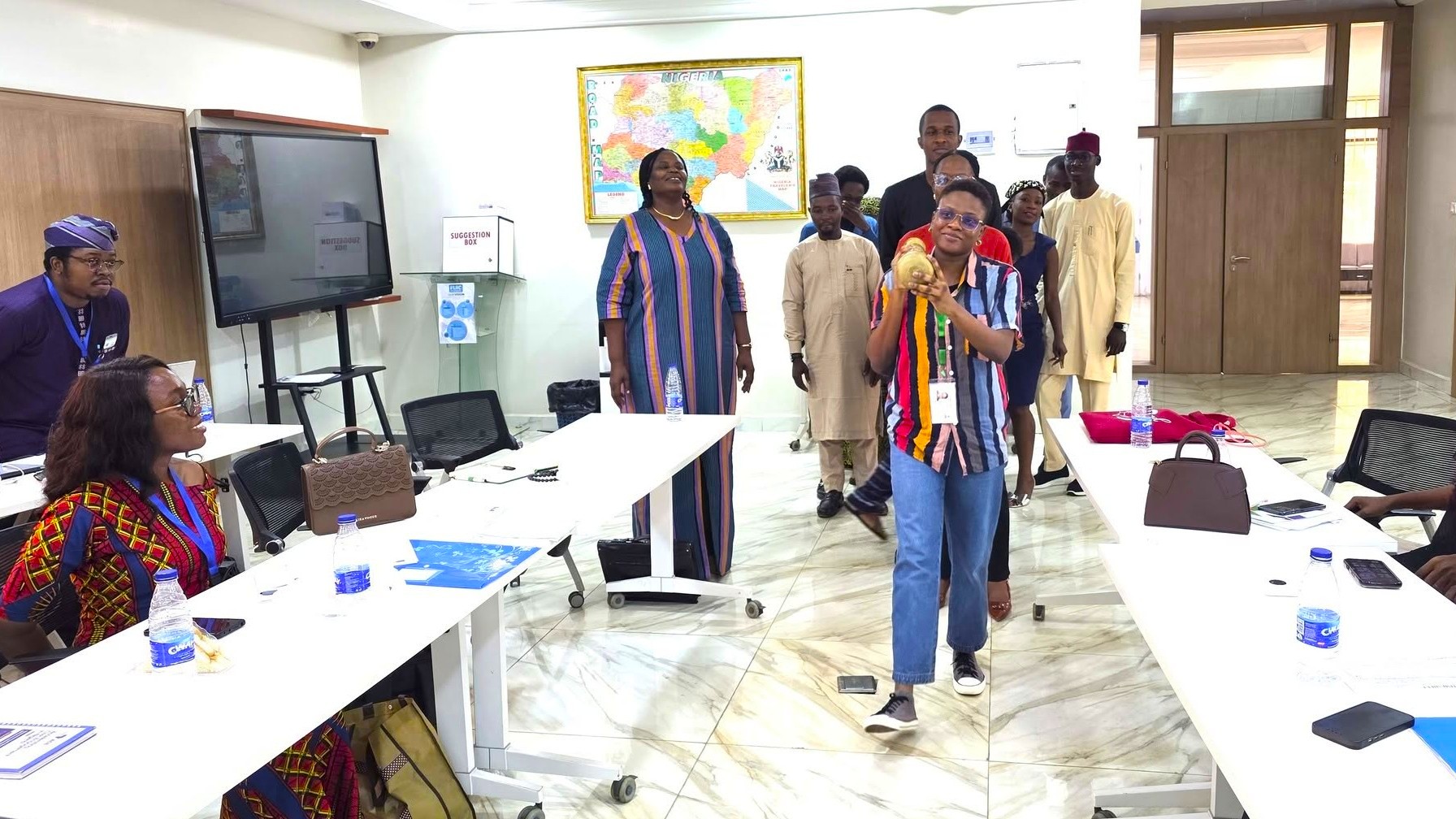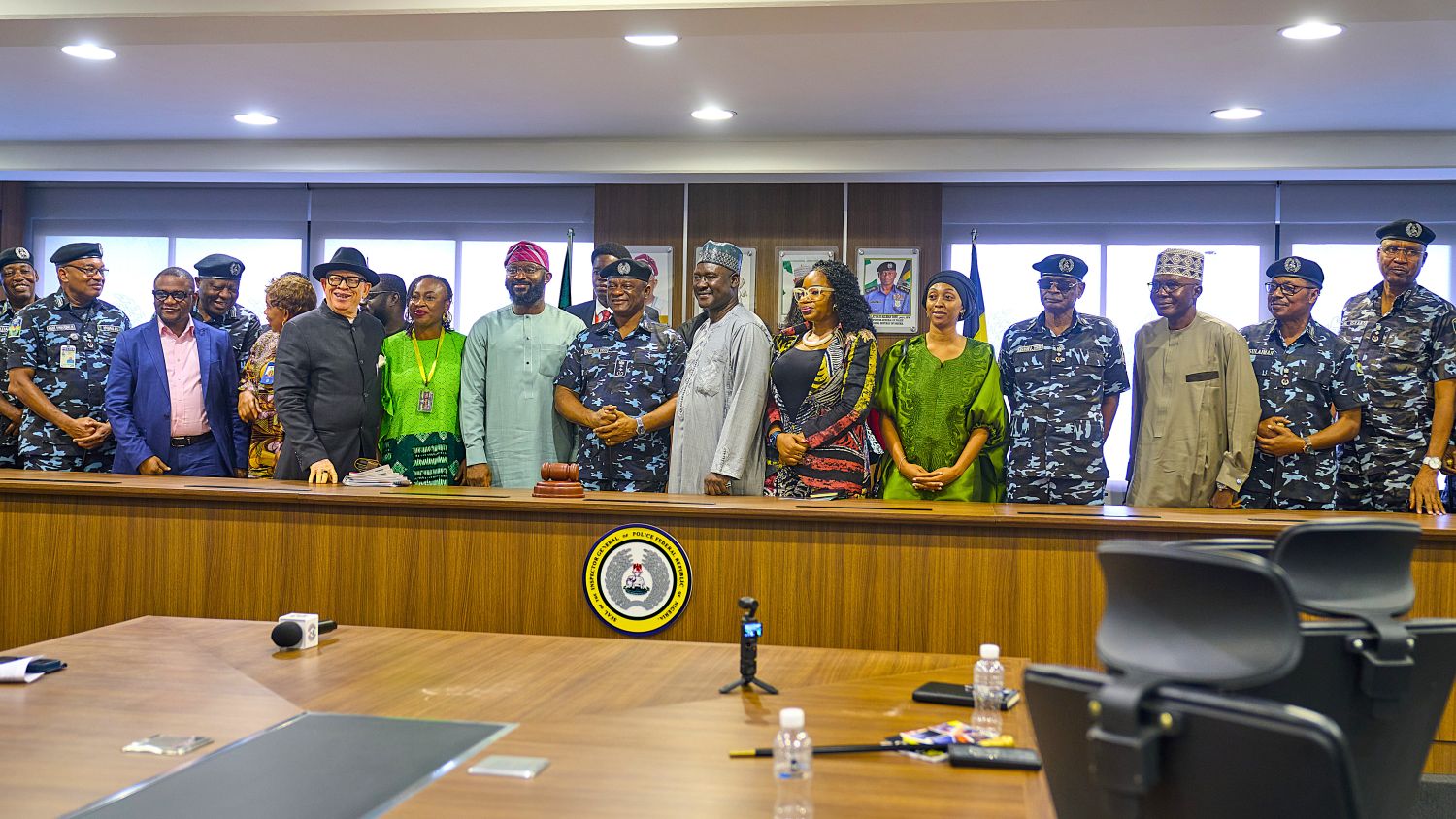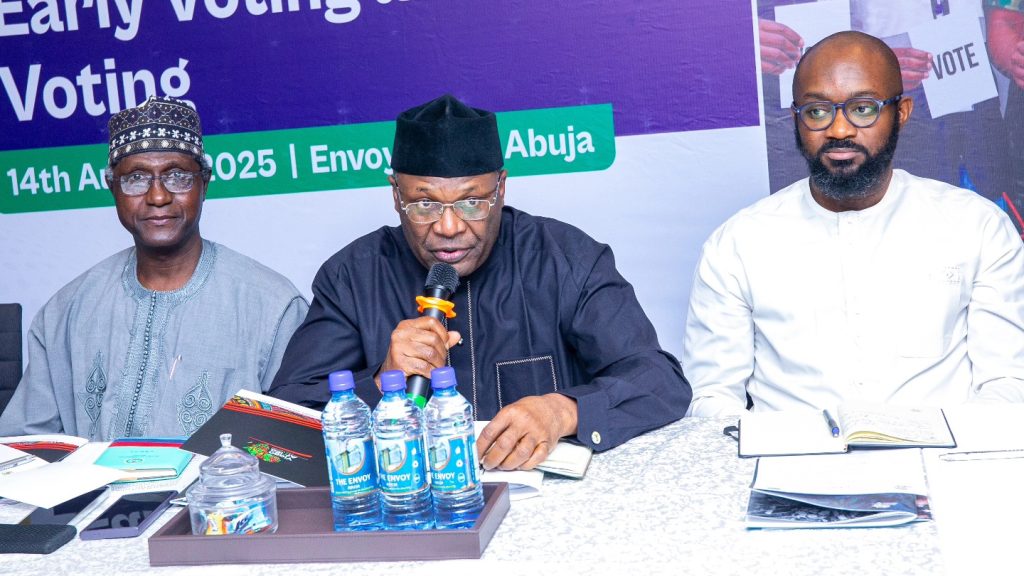
The European Union Support to Democratic Governance in Nigeria (EU-SDGN) programme has organised a high-level technical workshop on early voting and inmate voting in Abuja.
The engagement is timed to leverage on the ongoing constitution review by the National Assembly – particularly the Electoral Bill. The goal is to ensure that officials on election duty – including officials of the Independent National Electoral Commission (INEC), security agencies, youth corps members, and other public officials on essential duty can vote ahead of deployment. Also, prison inmates can also vote.
The event, which brought together key stakeholders including officials of the Independent National Electoral Commission (INEC), the Nigerian Correctional Service (NCS), the National Assembly, security agencies, civil society, and the media aims to empower all Nigerians the right and opportunity to vote. It was organised by Yaiga Africa for the programme.
Delivering his remark, Executive Director of Yiaga Africa, Samson Itodo, emphasised the importance of inclusive reform in the ongoing constitution review. Noting that early and inmate voting will afford the all vanguards of Nigeria’s democracy and prisoners the option of also participating in the process, as against the current situation which disenfranchises those desirous of voting. He said, “Democracy only works when everyone’s voice can be heard.”
INEC Chairman, Prof Mahmood Yakubu, restated the Commission’s readiness to extend voting rights to both election duty officers and inmates. He was frank about the challenges, noting that it would require the recruitment of nearly one million ad hoc staff, more polling units across the country, and secure systems to manage results.
Expressing the commitment of the 10th National Assembly to change the status quo, Senate Committee Chairman of INEC, Senator Abdulaziz Yar’adua, who doubled as the sponsor of the Early Voting Bill, observed that clamour for early voting appropriate and the reform is long overdue. Echoing him, the Controller General of the Nigerian Correctional Service, Sylvester Ndidi Nwakuche, MFR, described inmate voting as not just a right but also a step towards rehabilitation. He pointed to the need for proper voter registration, polling units inside correctional centres, and sustained voter education.
Past court judgments that had already upheld inmate voting rights were also referenced by legal experts at the event as a basis for reform. Civil society leaders and academics, meanwhile, suggested practical steps such as centralised voting centres, electronic applications, and pilot projects to test how these reforms might work.
The workshop ended with a shared commitment: for INEC, the NCS, and the National Assembly to work together on clear guidelines and legal changes that would finally make early and inmate voting part of Nigeria’s democratic reality.