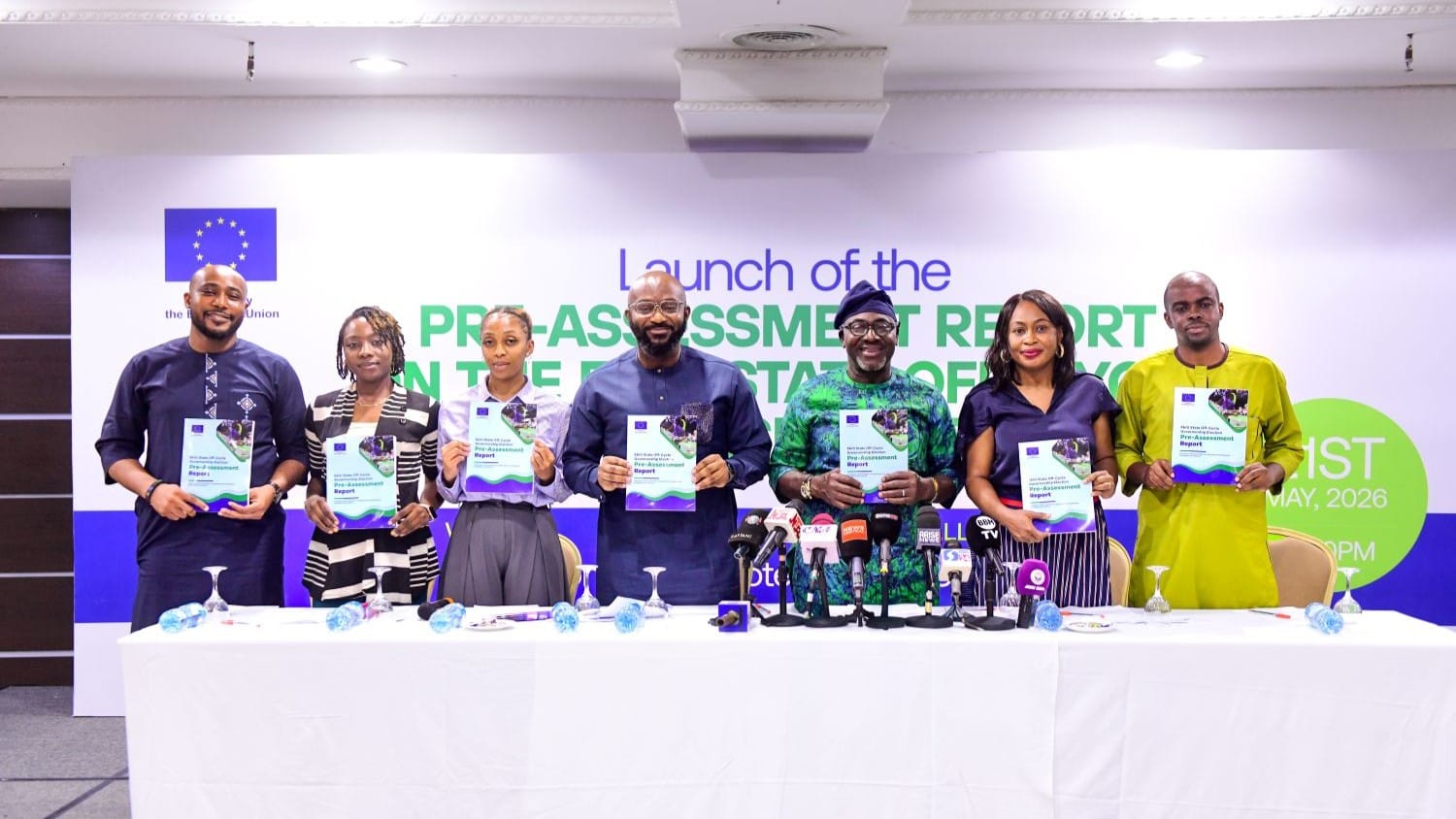
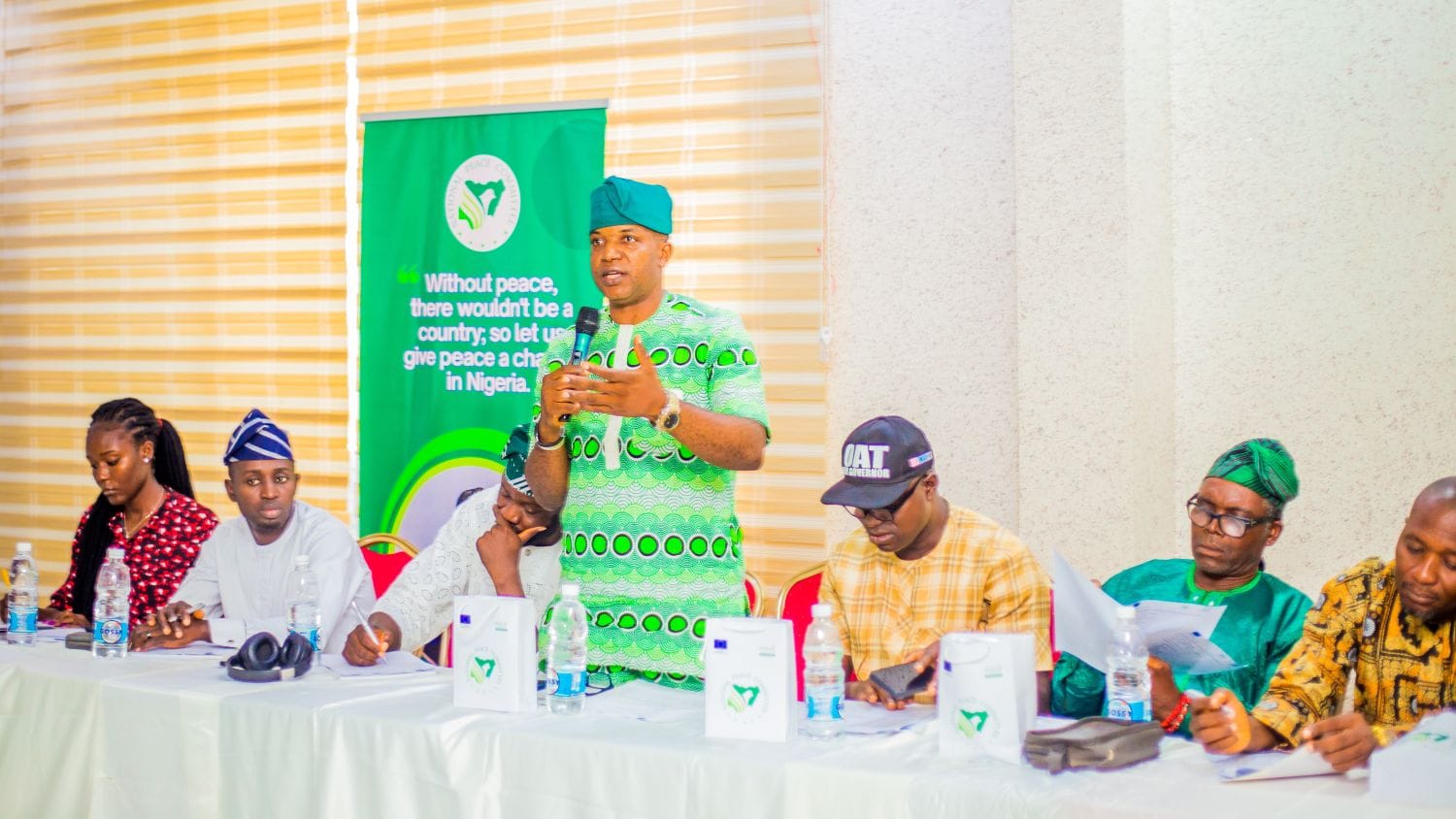
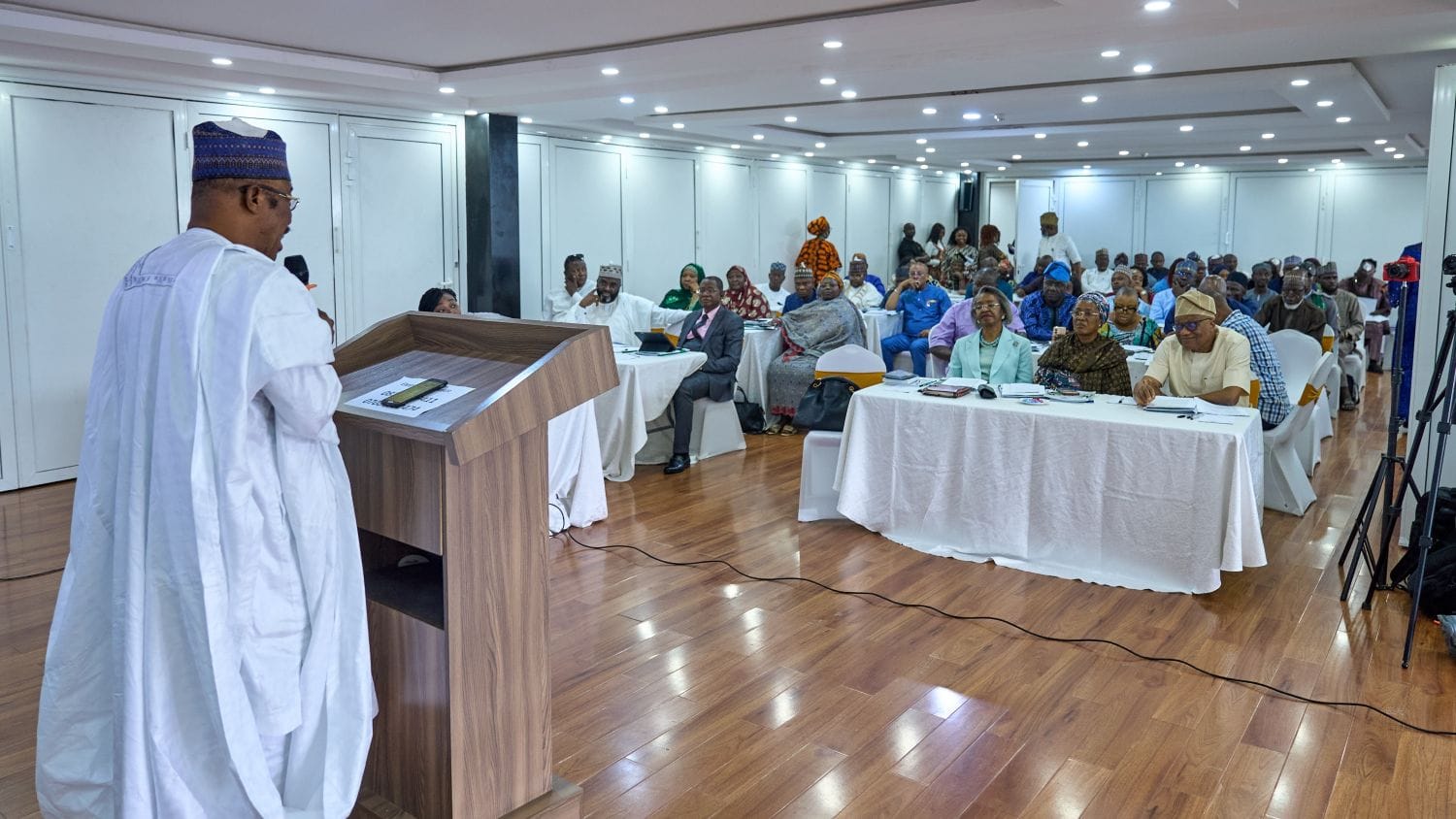
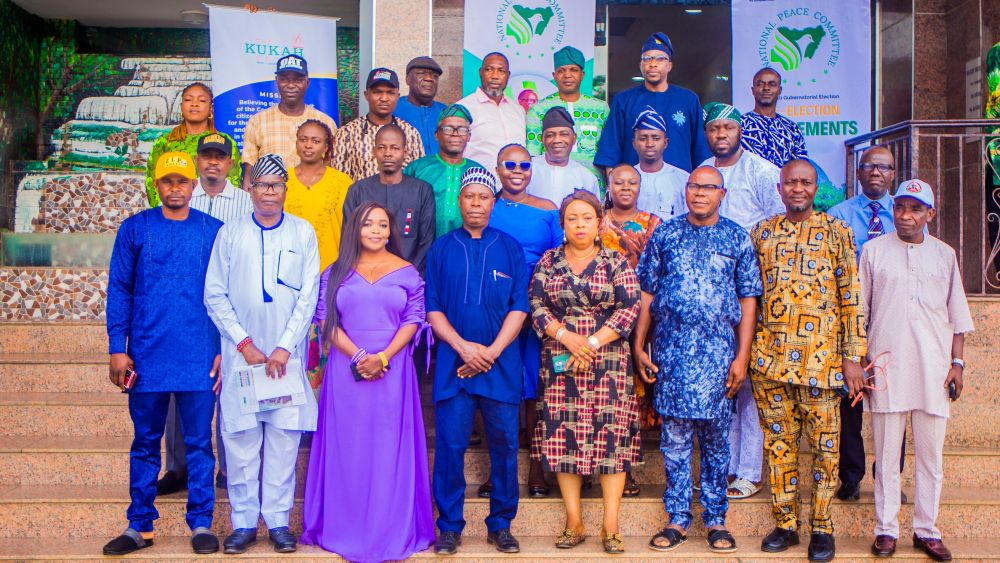
With just hours to the 2025 Anambra governorship election, the European Union, through its EU Support to Democratic Governance in Nigeria (EU-SDGN II) programme, has shared insights into the preparedness of one of its cohorts to observe and support an inclusive, credible, and peaceful election process, with a particular focus on the participation of Persons with Disabilities (PWDs).
At the briefing, the upgraded Disability Hub mobile application was unveiled. The app has been redesigned to enhance user interface (UI), user experience (UX), and functionality, enabling improved performance, real-time reporting, and data accuracy.
The EU, through the EU-SDGN programme, appealed to political actors, security agencies, and citizens of Anambra State to uphold peace, tolerance, and non-violence during the election, in line with the peace accord signed by candidates.
“Violence and insecurity not only undermine the credibility of the electoral process but also disproportionately affect persons with disabilities, many of whom face additional mobility, sensory, and communication barriers during crises. We urge communities, traditional institutions, political parties, and voters to prioritise peace and inclusivity. A calm and orderly election day will guarantee that every voter, especially those with disabilities, can safely and freely exercise their right to vote,” the EU-SDGN statement noted.
Speaking in Awka, the Anambra State capital, Chair of the PWD Election Hub at TAF Africa, Dr Amina Bala Zakari, confirmed that 150 trained observers have been deployed to polling units with the highest number of registered PWD voters across the three senatorial districts.
She emphasised that the observation process will be fully technology-enabled: “Through this app, observers will transmit verified information to the PWD Election Hub, where data will be aggregated, analysed, and displayed on a live Election Monitoring Dashboard for timely decision-making.”
Dr Zakari also outlined what observers will monitor, including the availability of assistive tools such as braille ballots, guides for blind voters, magnifying glasses for voters with albinism, and Form EC 30E PWD for deaf voters. Observers will also track compliance with priority voting, accessibility of polling units, voter experience, and communication support for deaf voters.
To address persistent communication barriers, she added that 25 sign language interpreters will be deployed to polling units with the highest concentration of deaf voters across Anambra State: “Their presence at these polling units will ensure that deaf voters can receive instructions, interact with polling officials, and cast their votes independently and confidently. This initiative represents a major step forward in providing adaptive communications, thereby deepening electoral accessibility for the deaf community in Nigeria.”
Meanwhile, over 2.8 million registered voters, including 3,456 PWDs, are expected to participate in the governorship election.