The European Union Support to Democratic Governance in Nigeria (EU-SDGN) has sought collaboration with the management teams of the News Agency of Nigeria (NAN) and the National Orientation Agency (NOA) to strengthen public enlightenment, voter education, and efforts to counter electoral misinformation ahead of the 2027 general elections.
This effort is also aimed at promoting inclusive democratic participation and encouraging the involvement of women and young people in politics in the coming elections.
The interface, facilitated by EU-SDGN cohorts the International Press Centre (IPC) and the Centre for Media Society (CEMESO) in Abuja on Thursday, also had representatives of Yiaga Africa and the Kukah Centre in attendance.
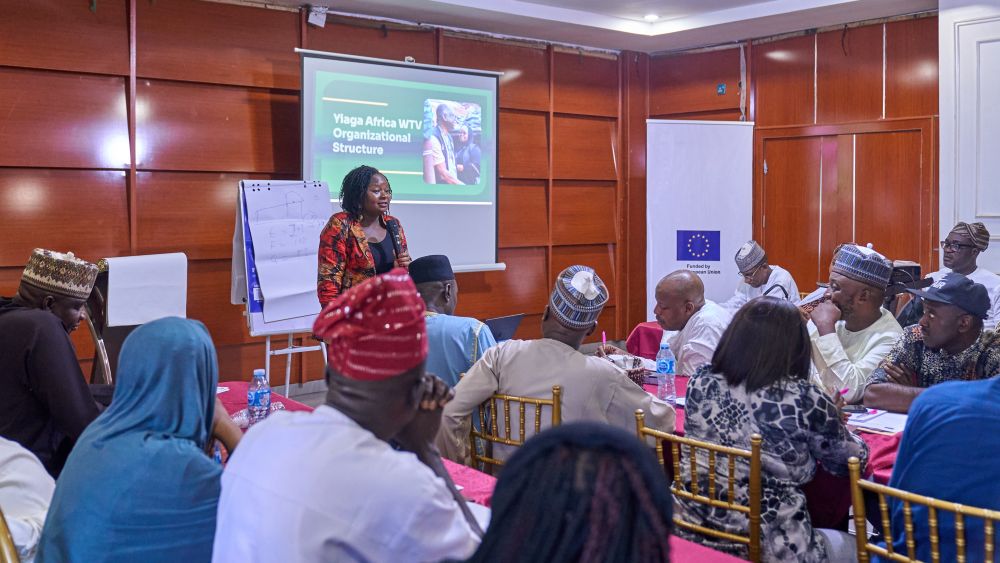
The meeting reviewed ongoing efforts by the EU-SDGN team, shared insights, identified challenges, and proposed joint strategies for improving civic and voter education, combating misinformation, and fostering inclusive democratic participation.
The Executive Director of IPC, Lanre Arogundade, said the goal is to ensure that media organisations, whether broadcast, print, or online, remain accurate, fair, ethical, and professional in the course of election coverage. He explained that the organisation has been working to counter electoral misinformation and disinformation while deepening civic and voter education.
“We are in this moment against the background of a level of mistrust in the electoral process, particularly arising from 2023. We are concerned that if this trend persists, it may affect participation and create apathy, particularly among young people,” he said.
He added that efforts are also focused on advancing the participation of underrepresented or marginalised groups, particularly young people, women, and persons with disabilities. “With the overall belief that if all these efforts come together, we can advance the course of democracy in the country.”
Participants proposed developing joint messaging, FAQs, and simplified guides on the Electoral Act. They also discussed strengthening youth engagement through partnerships with groups such as Yiaga Africa, expanding community broadcasting through grassroots radio stations, and countering misinformation through fact checking training and community based campaigns conducted in local languages.
In his remarks, the Director General of NOA, Lanre Issa-Onilu, said many of the challenges facing the country stem from gaps in public knowledge. He noted that the agency’s responsibility is to ensure that Nigerians are enlightened, sensitised, and mobilised, and that citizens understand and appreciate their roles within the democratic process.
He also observed that artificial intelligence has introduced new opportunities but also new risks, particularly in the spread of misinformation and the creation of fake news.
The Director General emphasised that achieving meaningful progress requires collaboration between government and citizens, noting that success depends on reciprocal commitment from both sides.