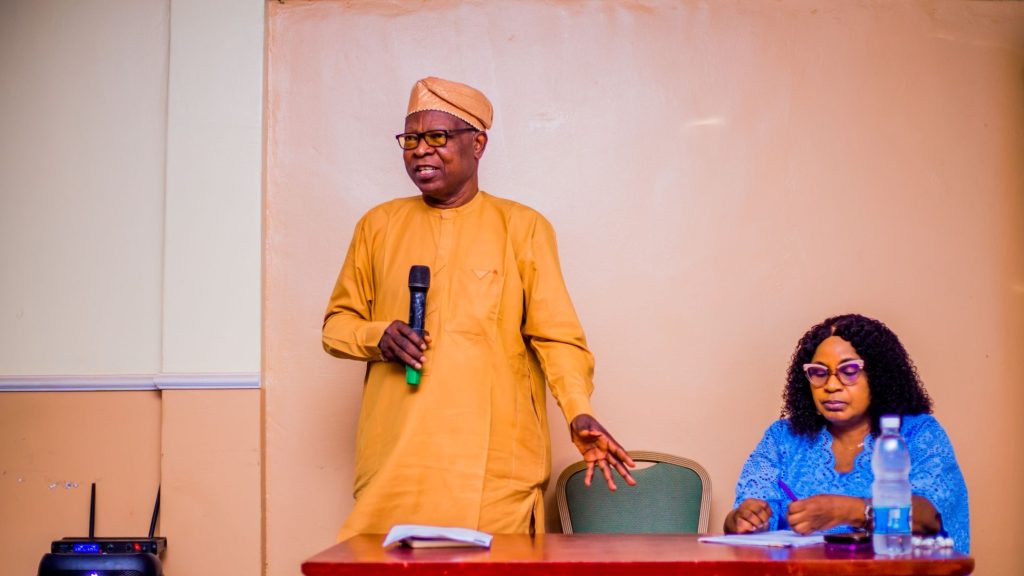
The European Union, through its Support to Democratic Governance Programme (EU-SDGN), has facilitated a renewed effort to strengthen collaboration between the media and Nigeria’s electoral umpire as part of ongoing support for transparent and credible elections in Ekiti State ahead of the June 2026 governorship poll.
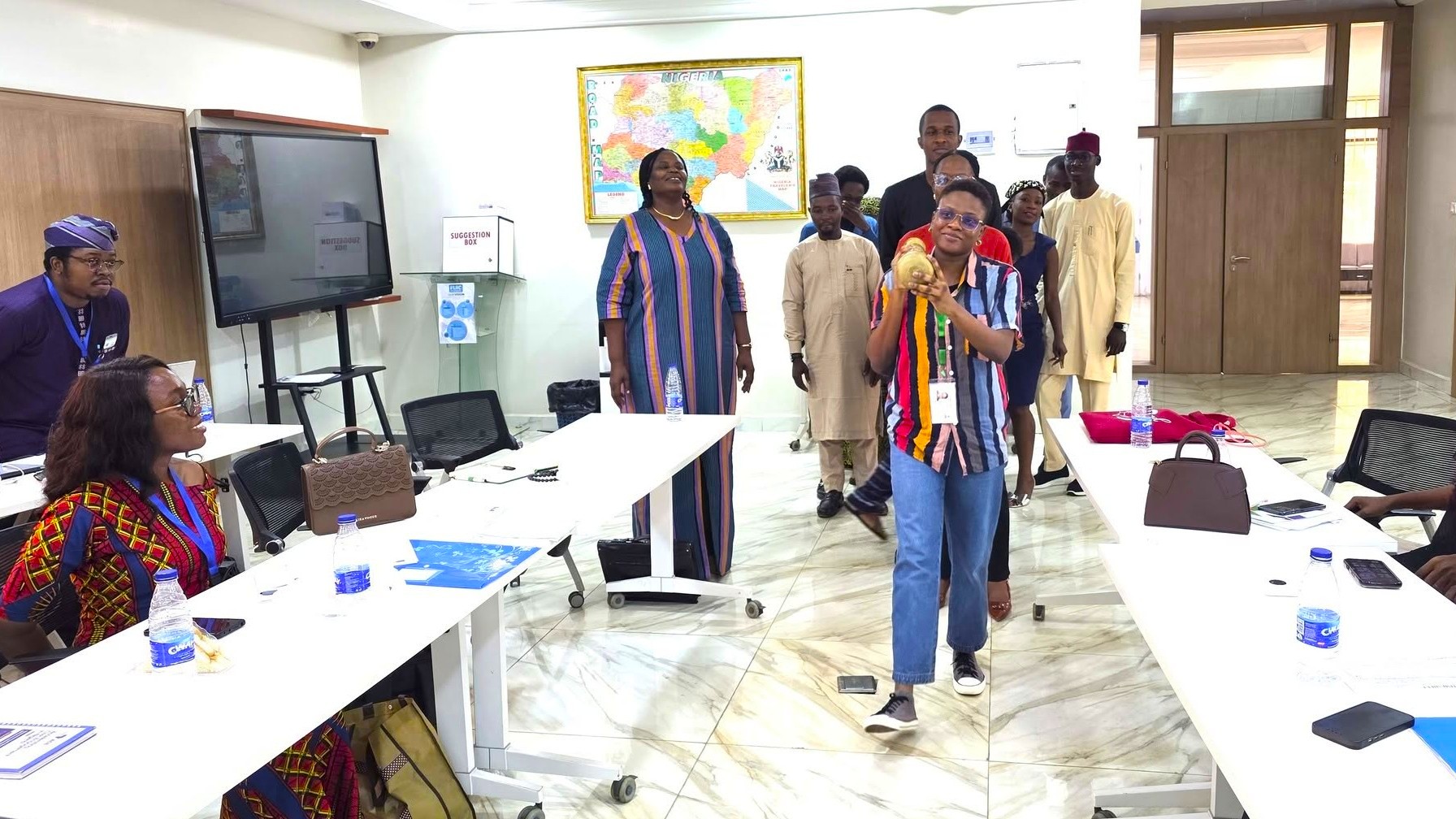
The engagement, held in Ado-Ekiti, highlighted the media’s role as the fourth estate in promoting accountability, shaping public understanding, and driving informed participation in the electoral process. It also addressed the growing challenge of misinformation and disinformation, which continues to undermine voter confidence and distort public perception.
The Ekiti election is widely seen as a key test of institutional preparedness and public trust. Stakeholders stressed the need for timely, accurate, and accessible information, alongside a more coordinated and evidence-based approach to election reporting and voter education.
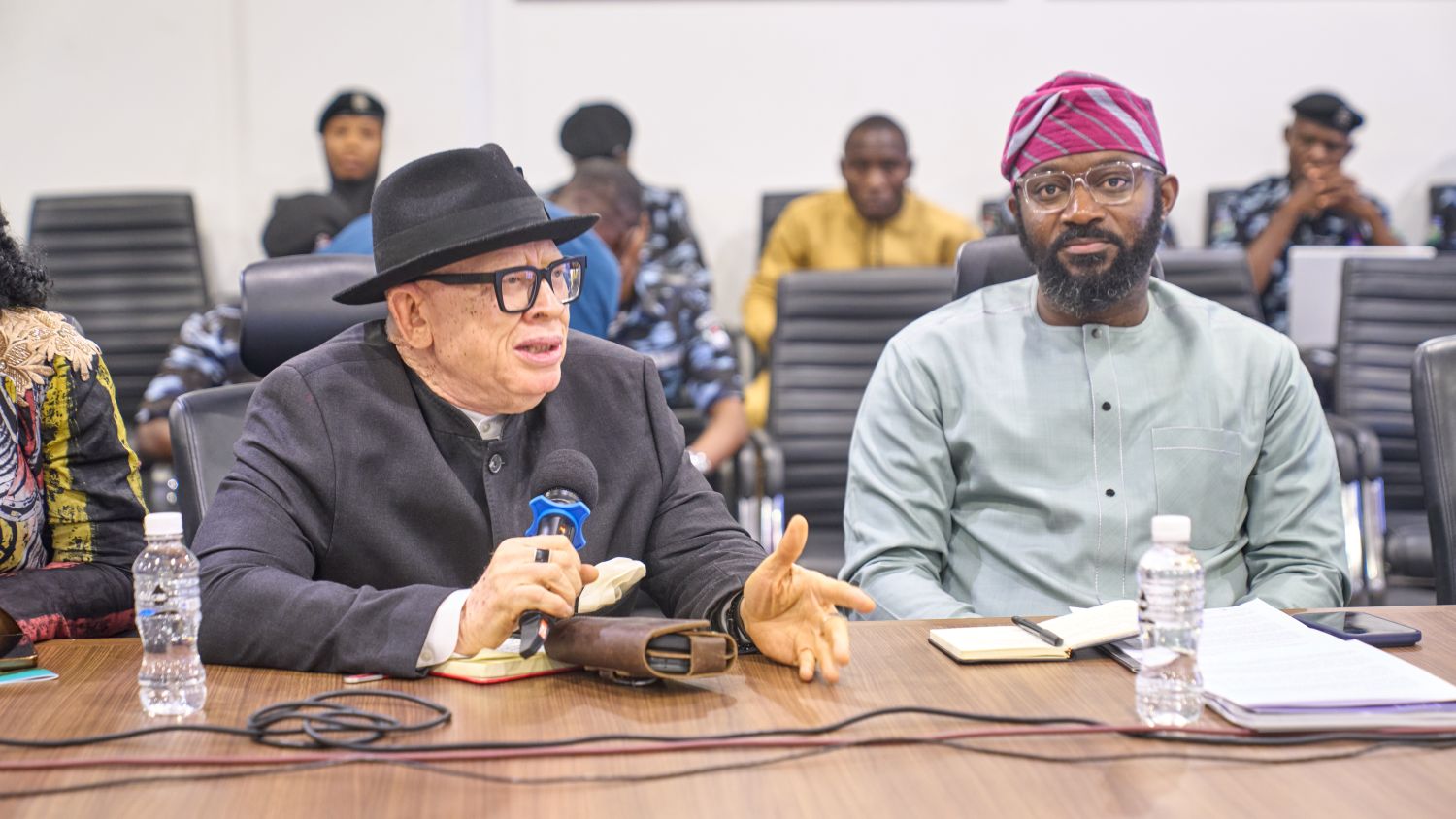
The Executive Director of the Centre for Media and Society, Akin Akinbolu, whose organisation is a member of the EU-SDGN cohort, said the initiative is designed to deepen collaboration between critical actors in the electoral process. He noted that credible elections depend on verified information and sustained engagement between the media and official sources, adding that the process will extend beyond a single engagement towards the 2027 general elections.
Also speaking, the Director of Voter Education and Publicity, Victoria Eta-Messi, said preparations are underway to ensure a smooth process, including improved logistics, early deployment of materials, and expanded voter education across multiple platforms. She emphasised that collaboration with the media remains essential to ensuring citizens receive accurate and reliable information.
Participants agreed on practical steps to strengthen election communication, including the establishment of fact-checking desks in newsrooms, expanded civic education efforts, and more inclusive communication strategies that reflect the needs of persons with disabilities. There were also commitments to improve access to election information to reduce ambiguity and curb misinformation.
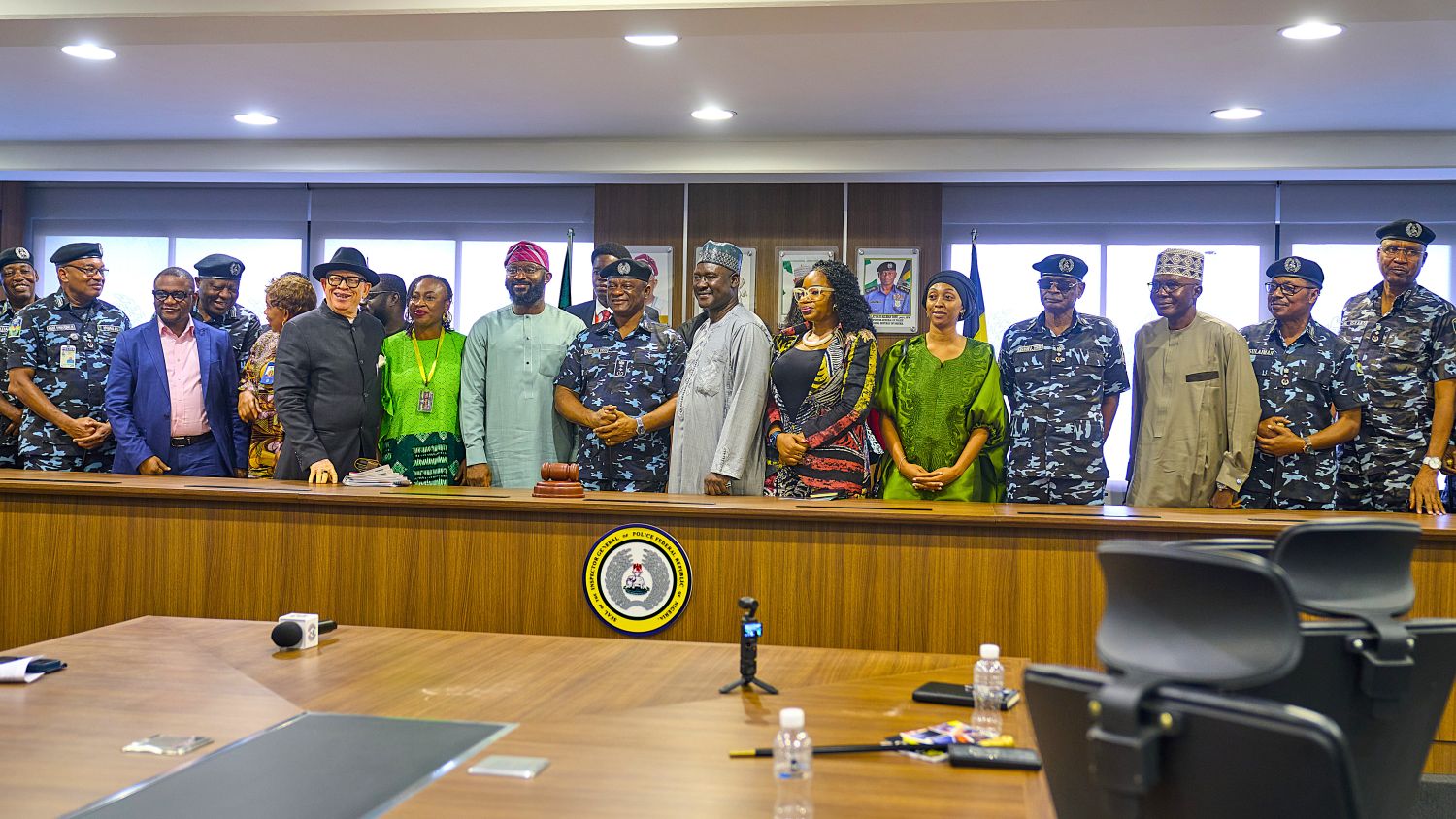
The dialogue, themed “Journalists–Voter Education and Publicity Dialogue: Charting a Way Forward,” provided a platform for coordination among stakeholders. Follow-up actions are expected to sustain engagement, strengthen accountability, and reinforce public confidence in the electoral process, while positioning the media as a critical partner in safeguarding electoral credibility.