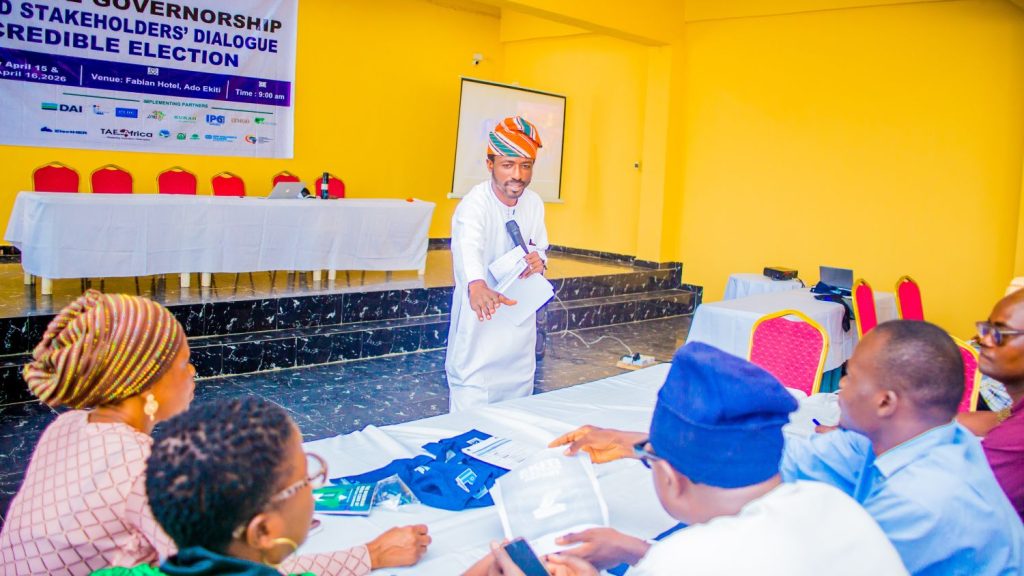
The European Union, through its Support to Democratic Governance Programme (EU-SDGN), has convened media professionals and key electoral stakeholders in Ado-Ekiti to address the growing threat of misinformation ahead of the Ekiti State governorship election.
The one-day dialogue, held under the programme’s media support component, focused on strengthening the capacity of journalists to deliver accurate, ethical and conflict-sensitive reporting in the lead-up to the poll.
Participants drawn from newsrooms, academia and civil society examined how the media can shape public understanding of the electoral process while reinforcing transparency and accountability.
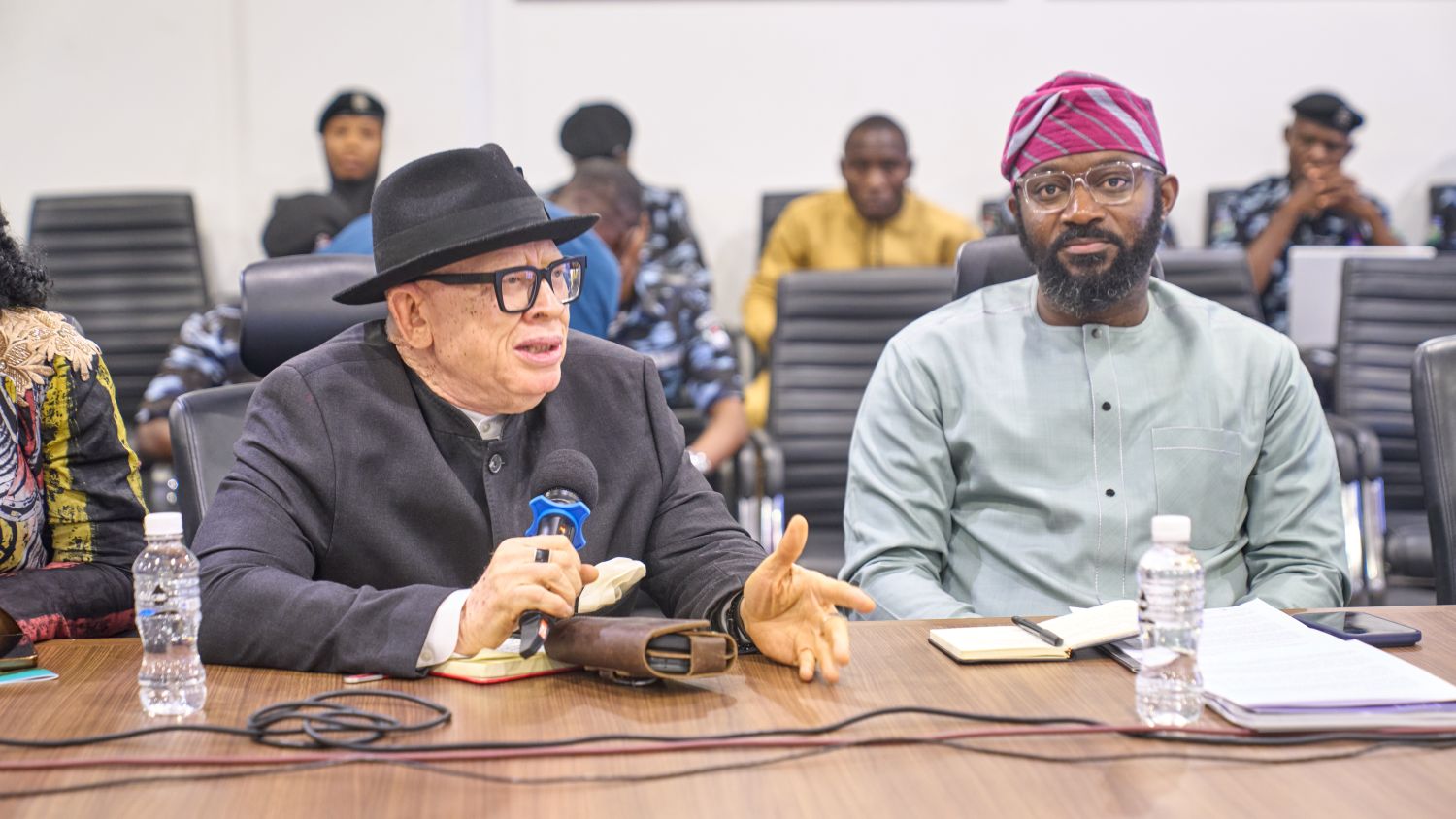
Leading the discussion, Professor Adebola Adewunmi Aderibigbe of the Federal University Oye-Ekiti urged journalists to move beyond routine event coverage and adopt a more deliberate approach to agenda-setting. He said the press must prioritise issues that directly affect voters, including governance, service delivery and electoral credibility.
The session also explored how editorial decisions influence public perception and voter behaviour, particularly in a climate where false information can spread rapidly through digital platforms.
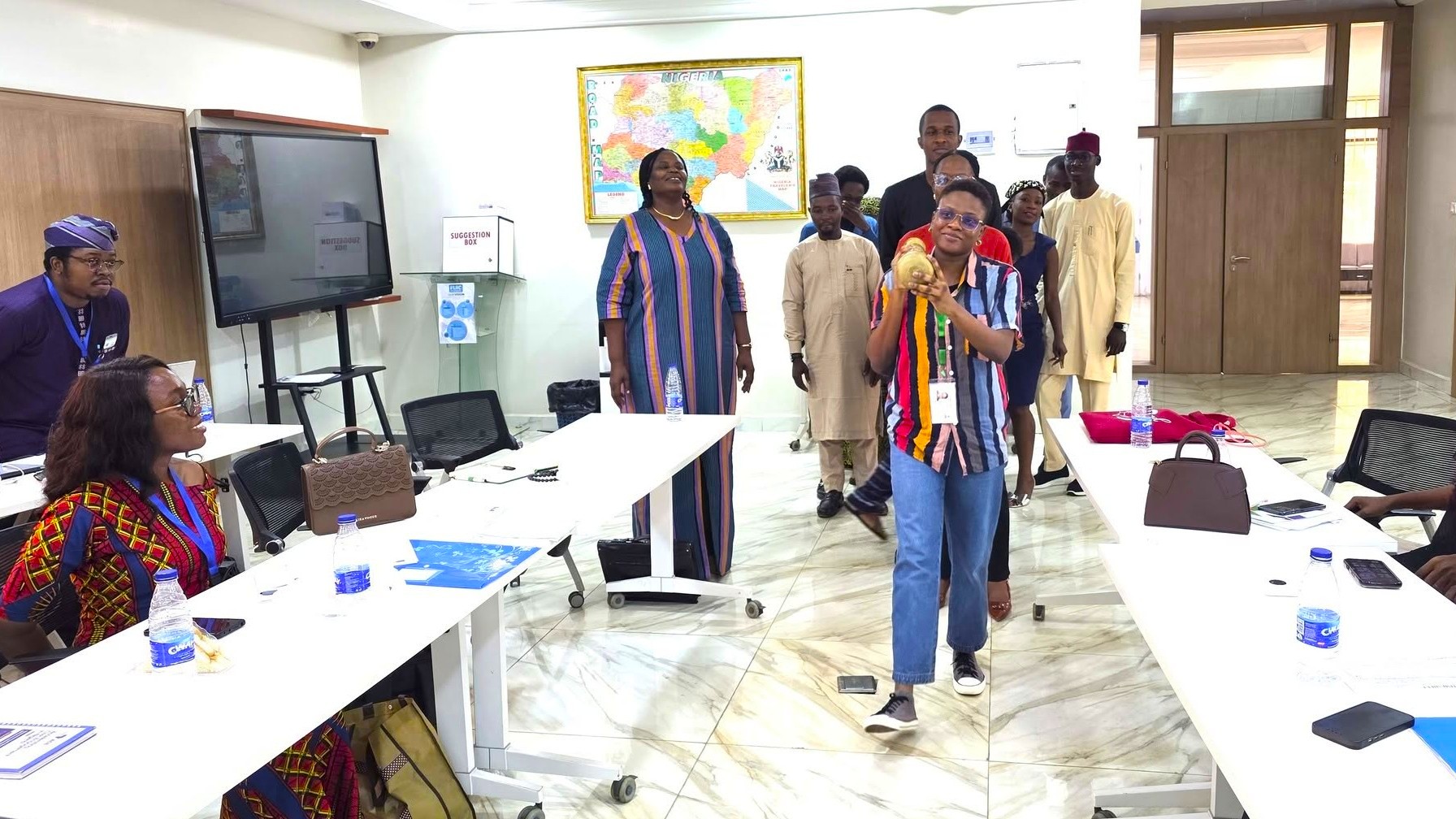
An interactive segment facilitated by Taiwo Obe of Journalism Clinic provided practical insights into newsroom decision-making. Through simulations and group exercises, participants identified priority election stories, refined storytelling techniques and discussed how best to deploy digital tools to reach wider audiences.
The workshop placed emphasis on timing, framing and platform selection, with participants encouraged to produce content that is both engaging and evidence-based.
During a session on impactful storytelling, journalists presented story ideas they plan to pursue ahead of the election. The proposals reflected a shared commitment to balanced reporting, depth of analysis and solution-oriented journalism.
Mr Obe stressed that constructive narratives can help reduce tension during electoral periods. He noted that forward-looking reporting which highlights solutions, rather than amplifying divisions, is essential to sustaining public trust.
In a separate session, Executive Director of the International Press Centre, Lanre Arogundade, highlighted the importance of adhering to the code of election coverage. He called on journalists to uphold inclusivity, strengthen fact-checking processes and avoid content capable of inciting conflict.
He warned that misinformation and disinformation remain significant risks to the credibility of the electoral process, particularly in an increasingly digital media environment. According to him, the media must act as a safeguard by ensuring that information disseminated to the public is accurate and responsibly presented.
The dialogue concluded with a plenary session where participants reflected on key lessons and identified challenges likely to arise in the course of election coverage. They also outlined practical steps to navigate the evolving media landscape.
The programme forms part of broader efforts by the European Union, through its Support to Democratic Governance Programme, to strengthen democratic governance in Nigeria, with a particular focus on promoting professional and credible journalism during elections.