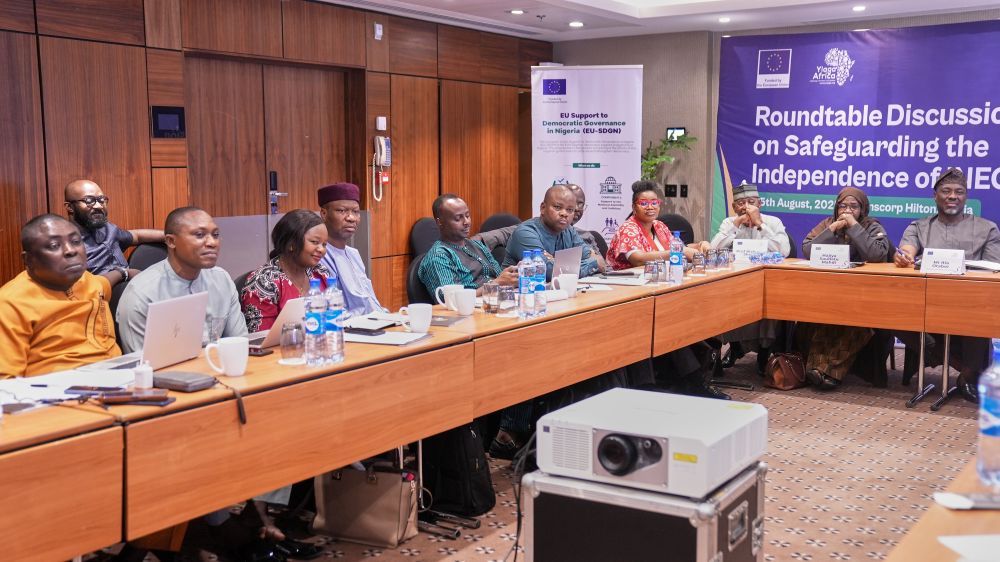
As part of efforts to secure the independence of the Independent National Electoral Commission (INEC) and rebuild public trust in Nigeria’s electoral process, the European Union Support to Democratic Governance in Nigeria Phase II (EU-SDGN II) has convened a roundtable with key stakeholders in Abuja.
The dialogue, driven by Yiaga Africa, brought together civil society organisations, senior electoral officials, and governance experts to deliberate on the future of the Commission as a wave of leadership exits looms.
In line with the INEC appointment and tenure guidelines, the chairman of the Commission will leave office in December 2025. Also, six national commissioners will exit the Commission in September 2026 and another five by February 2027. The departures, stakeholders warned, could affect institutional memory and create uncertainties if replacements are not carefully managed.
At the centre of discussions was how to ensure that upcoming appointments are free from political interference and conducted in a way that guarantees competence, neutrality, and credibility. Participants emphasised that the quality of appointees would significantly shape INEC’s ability to deliver credible elections.
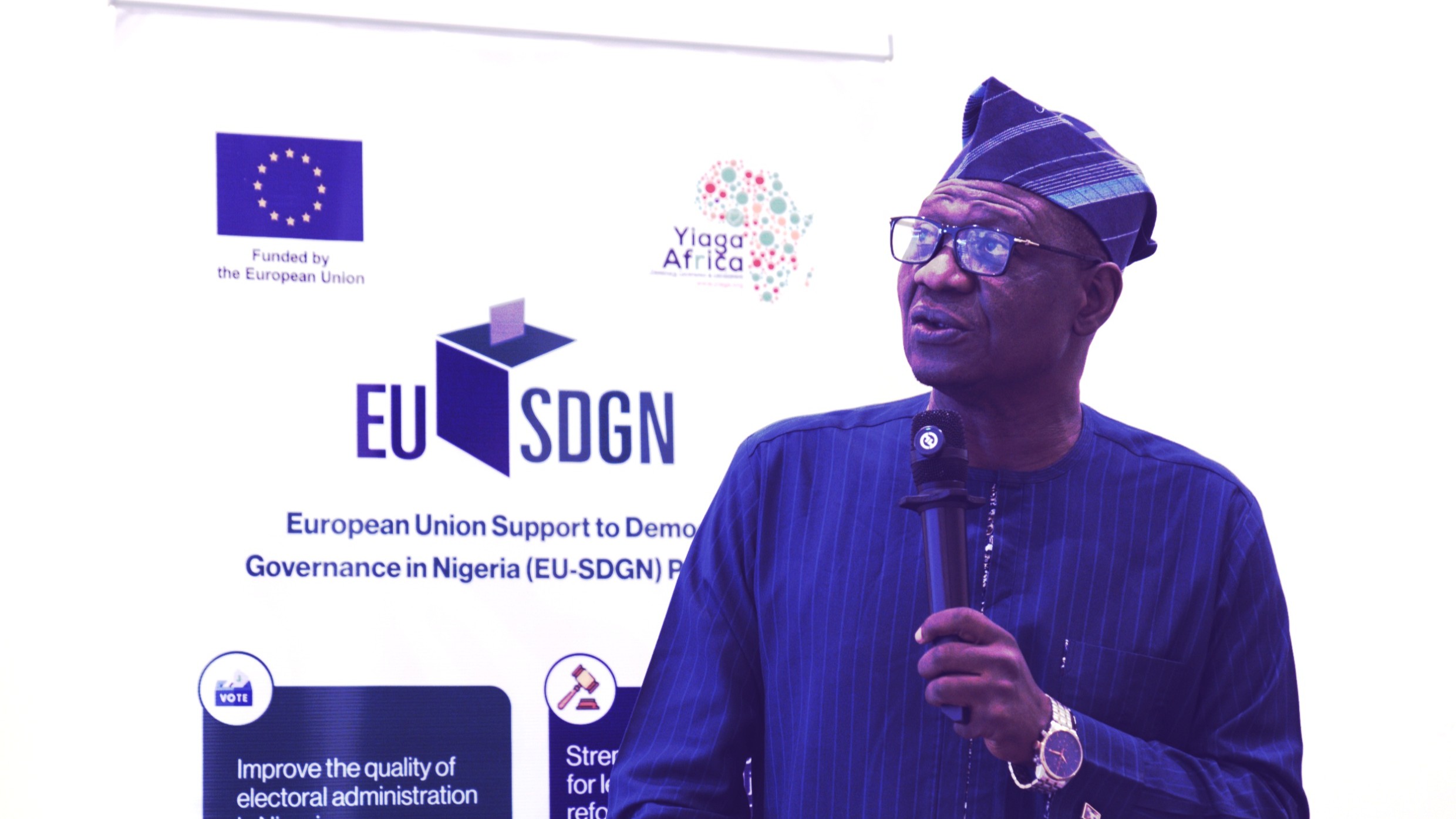
Delivering his opening remark, the Executive Director of Yiaga Africa, Samson Itodo, underscored the urgency of reforming the appointment process. “You need an independent, transparent, competent, and accountable Electoral Commission to deliver on the gains of our democracy,” he said. “If commissioners are chosen for political reasons, they cannot do their job freely. They will inevitably be partisan.”
He further stressed the need for broader citizen involvement in the process. “There is a great need to review the criteria for appointing either the Chairman or Electoral Commissioners,” Itodo said. “Today, we are exploring ways to institutionalise public participation so that when we say we want a new INEC, we mean one led by individuals with unquestionable integrity, non-partisan character and technical expertise.”
Civil society participants also noted that the entry of fresh commissioners in the heat of an election cycle could pose risks if appointees lack adequate knowledge or preparation. They called for mechanisms to support new members while maintaining continuity in the Commission’s operations.
The roundtable concluded with a consensus on the need for transparent and inclusive reforms to safeguard INEC’s independence. Stakeholders agreed that protecting the Commission from political capture was vital not only for credible elections but also for strengthening Nigeria’s fragile democracy.