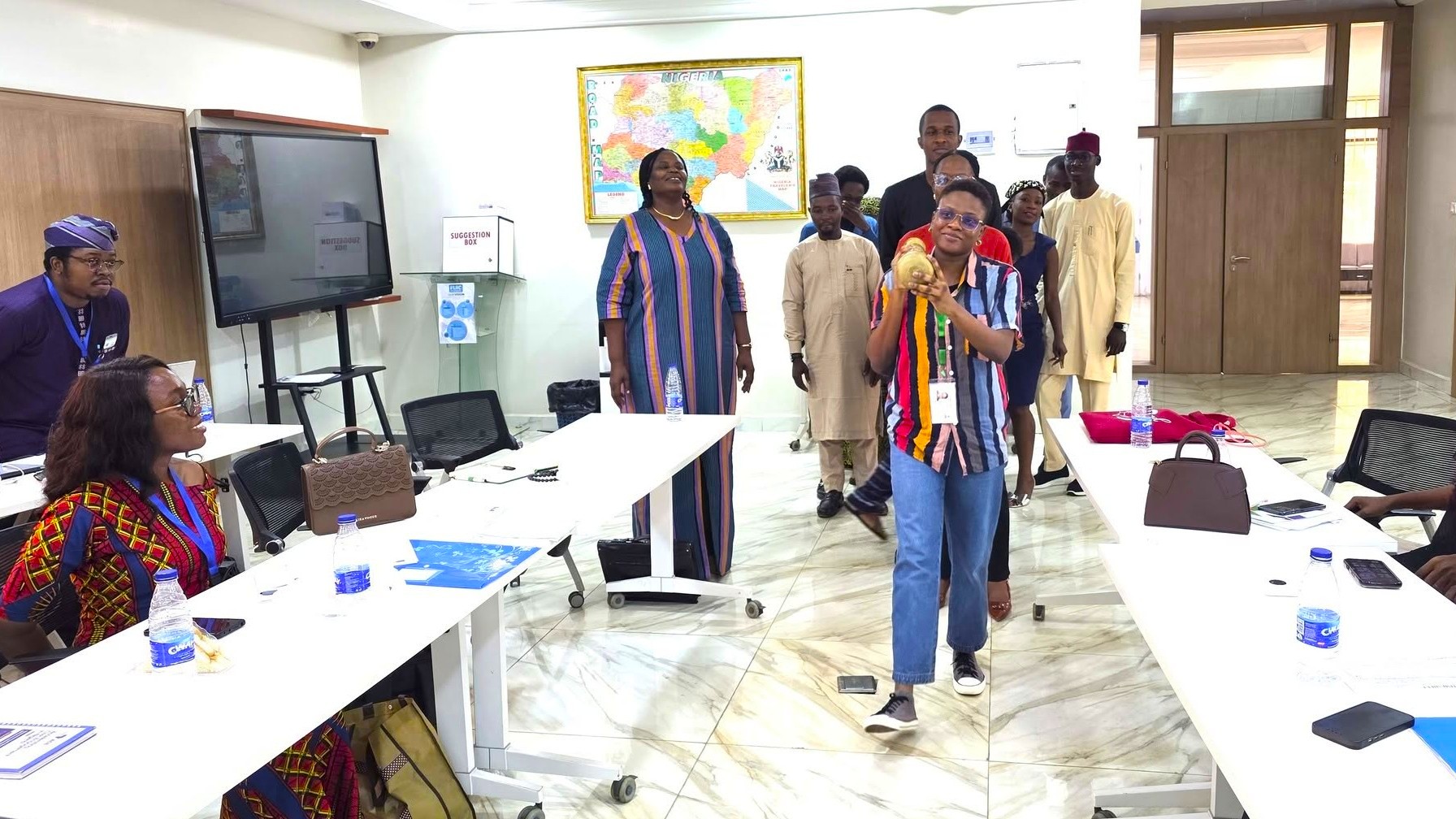
The European Union Support to Democratic Governance in Nigeria (EU-SDGN) programme has held a technical workshop aimed at strengthening strategic alignment and improving delivery across its implementing partners.
The sessions applied the Political, Economic, Social, Technological, Environmental and Legal (PESTEL) analysis to guide partners in refining their priorities, adjusting work plans and positioning interventions for stronger impact. The workshop followed the programme’s mid-term review, which highlighted areas requiring improved coordination and strategic coherence.
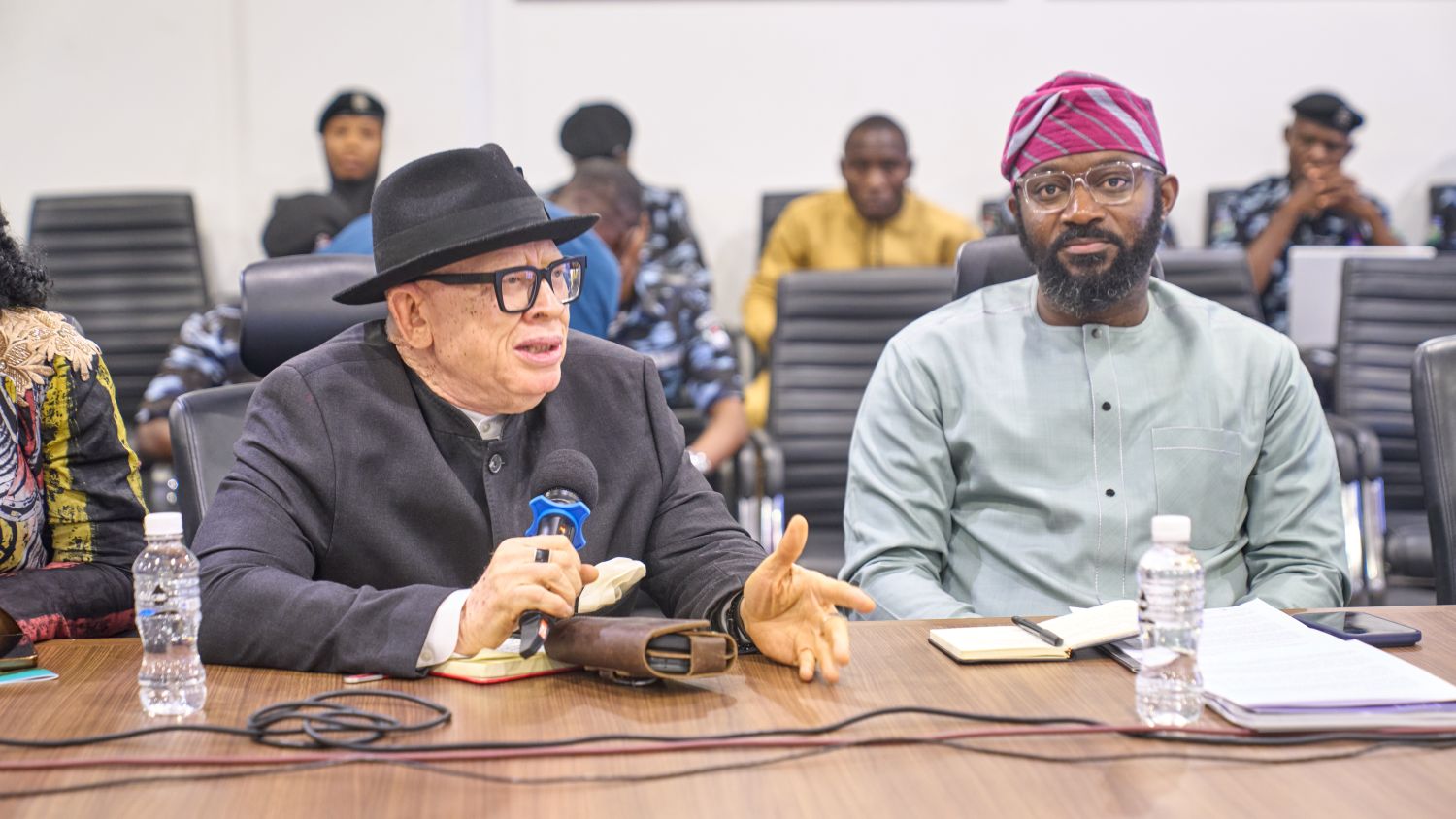
Consultant Sam Unom, who led the technical facilitation, reviewed validated reports across all EU-SDGN II components. He underscored that the programme is structured to enhance the credibility, inclusiveness and effectiveness of Nigeria’s democratic institutions through six interconnected areas: election administration; legislative and judicial capacity; political parties; media and accountability; inclusion of women, youth and persons with disabilities (PWDs); and civil society strengthening.
Unom stressed that systematic assessment of organisational strengths and weaknesses is essential for evidence-based planning. He noted that closing the analytical and learning loop enables partners to translate findings into operational improvements. He encouraged organisations to update their strategies and adopt more adaptive work plans based on the examples provided.
Using the context of the upcoming 2025 Anambra governorship election, he observed that technological advancements have reduced long-standing challenges such as voter identification issues and ballot box snatching due to increased surveillance. However, he noted that these gains have contributed to the rise in vote buying, stating that “with technology ensuring votes count, the remaining avenue for manipulation becomes buying the voter.”
The workshop brought together implementing partners including DAI, TAF Africa, Yiaga Africa, The Kukah Centre, ElectHER, the Nigerian Women Trust Fund (NWTF), the International Press Centre (IPC) and the Centre for Media and Society (CEMESO). The engagement forms part of EU-SDGN’s ongoing efforts to strengthen coordination, enhance programme delivery and support improved democratic governance outcomes in Nigeria.