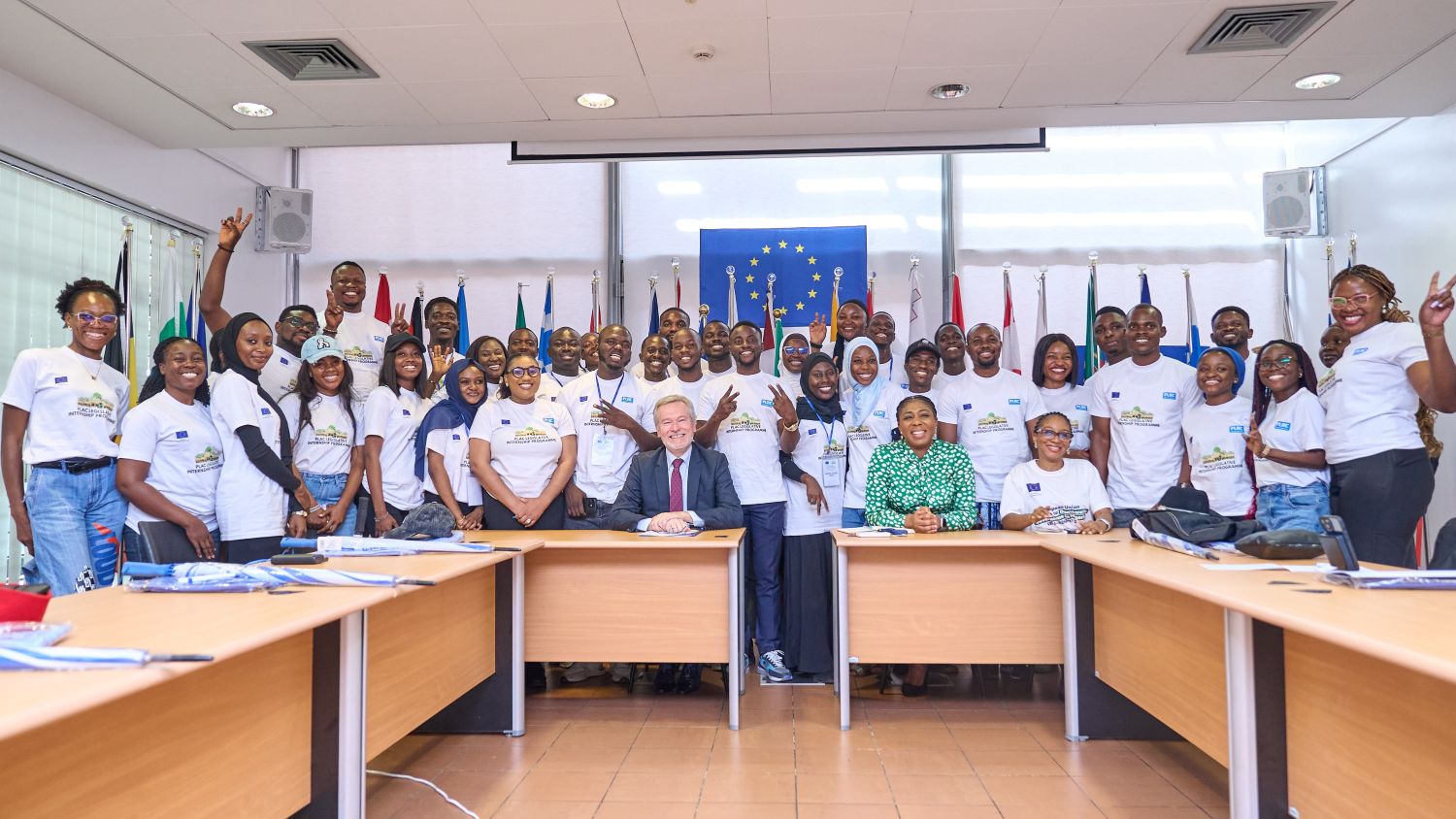
As part of efforts to strengthen Nigeria’s democratic governance, the European Union Support to Democratic Governance in Nigeria (EU-SDGN II) has launched the Citizens’ Memorandum for Electoral Reforms to improve the country’s electoral process.
The memorandum, developed by two of its implementing partners, YIAGA Africa and the International Press Centre (IPC), in Abuja on 23 September 2025, seeks to address the inadequacies, complexities, and ambiguities of the 2022 Electoral Act and align the legal framework with landmark judicial rulings to enhance electoral credibility. Serving as a resource for legislators and stakeholders, it highlights priority reforms as the National Assembly undertakes another round of electoral amendments.
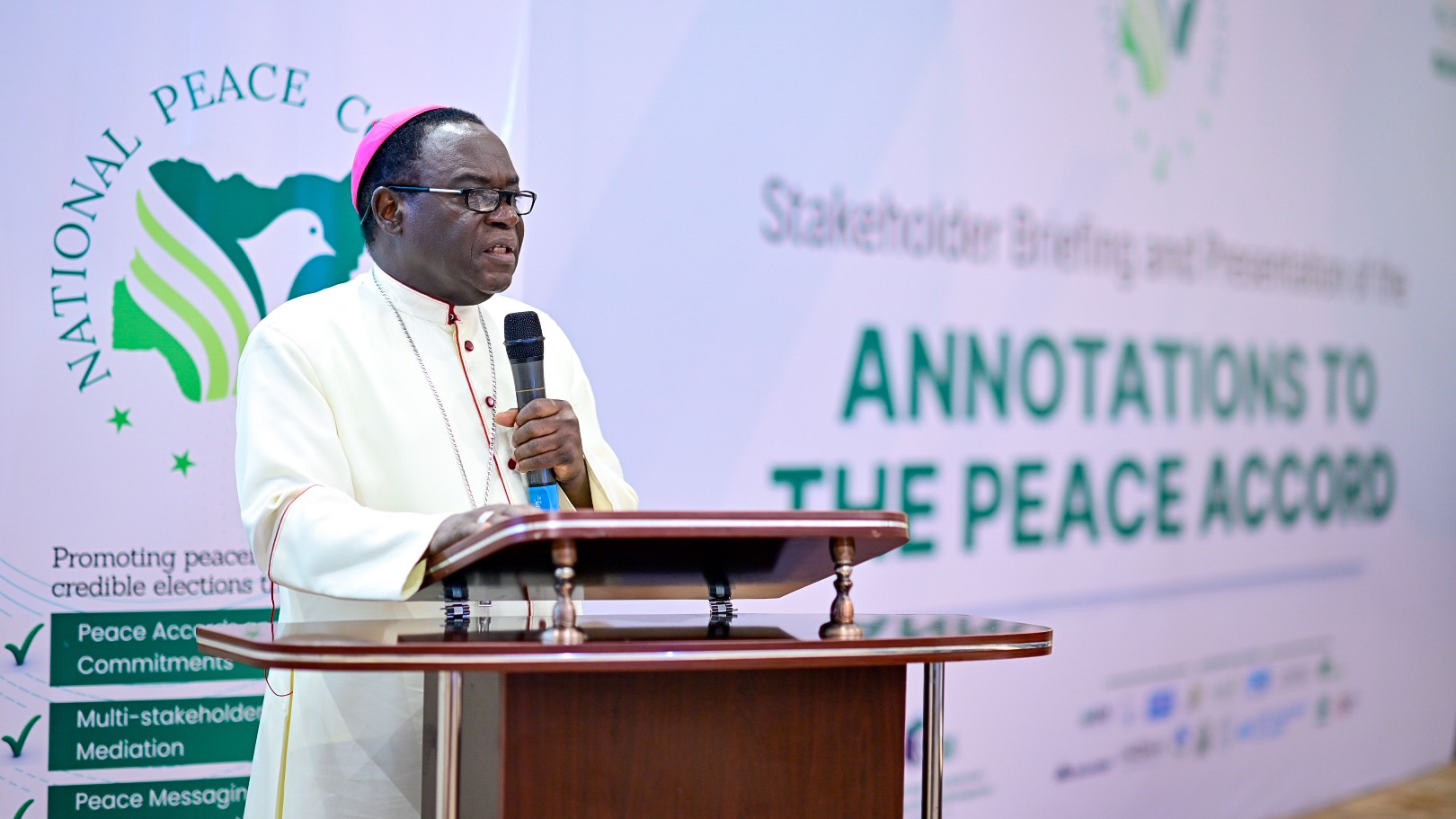
The initiative was unveiled at a one-day consultative roundtable that brought together civil society groups, journalists, newsroom editors, and EU partners to discuss citizens’ demands for electoral reforms. The memorandum provides a framework for strategic objectives and priority amendments, with the ultimate aim of strengthening electoral institutions, promoting credible elections, and enhancing public confidence in Nigeria’s democracy.
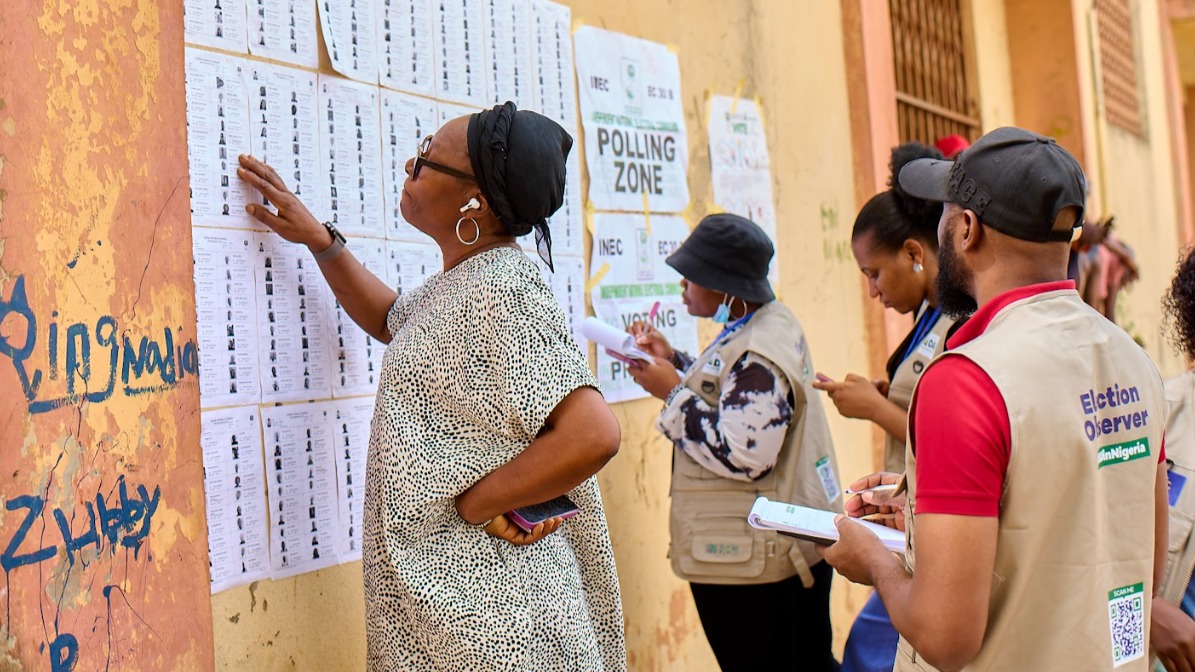
The Citizens’ Memorandum contains 37 recommendations across 15 strategic objectives, addressing 16 priority reform areas. Part I proposes 21 constitutional amendments, while Part II outlines 16 amendments to the 2022 Electoral Act. Key areas include INEC independence, political party reforms, voter registration, electoral technology, election adjudication, and inclusive participation for women, youth, and persons with disabilities.
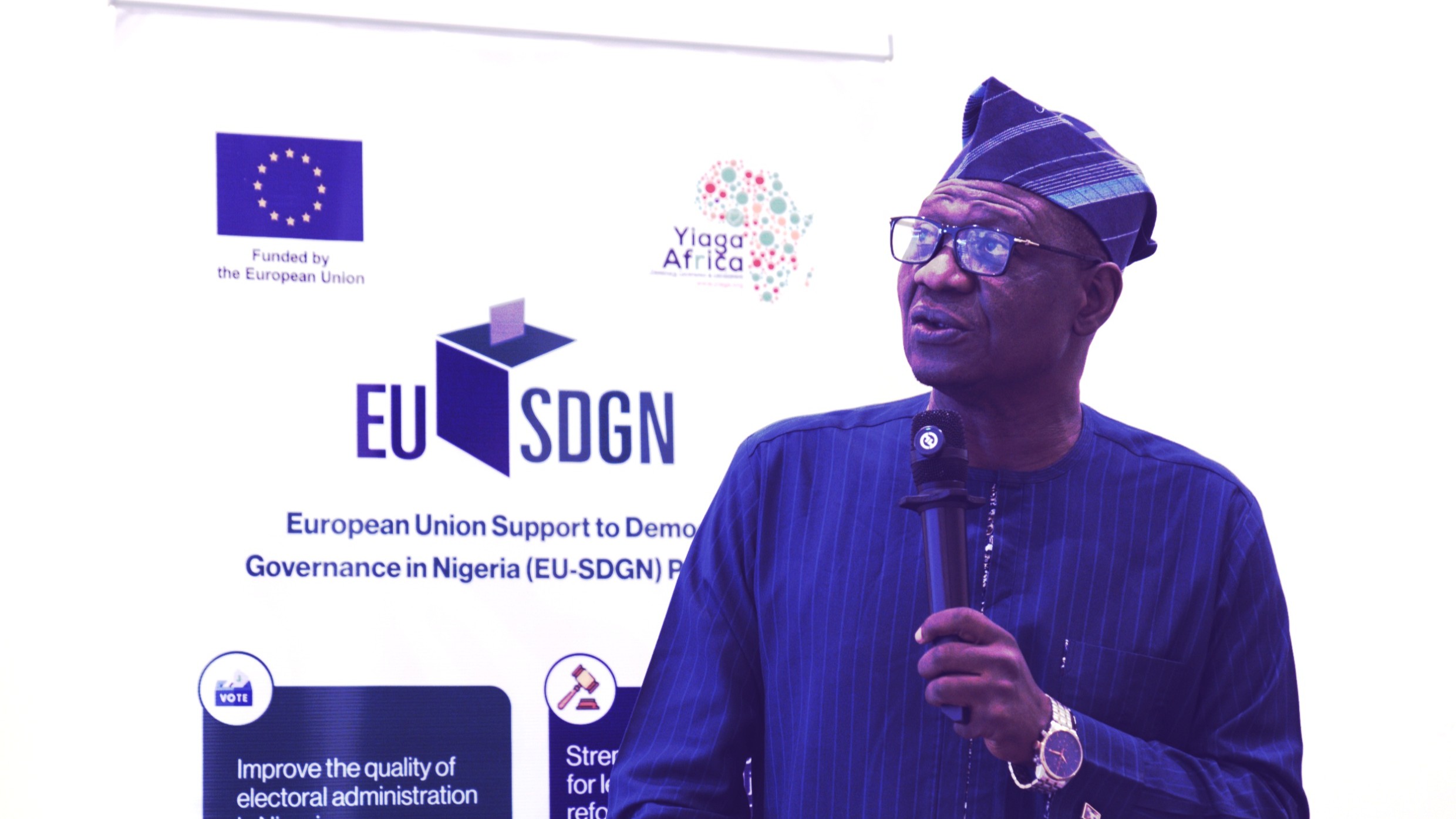
The Executive Director of IPC, Lanre Arogundade, emphasised the importance of media advocacy, saying, “Notwithstanding the considerable efforts invested in advancing the citizens’ memo, we have now reached a pivotal juncture where media support is both essential and highly valued.”
He added that historical precedent, such as the 12-year campaign for Nigeria’s Freedom of Information Act, demonstrates that meaningful reform is often achieved when the media actively champions the cause.
In her remarks, Director of Programmes of YIAGA Africa, Mrs Cynthia Mbamalu, highlighted the critical role of citizen input in shaping reforms, while Dr Akin Akingbulu of the Centre for Media and Society urged stakeholders to advance actionable proposals.
On her part, Dr. Tony Onyima, a Senior Lecturer at Paul University, Awka, reinforced the importance of continuous electoral reform for democratic consolidation, saying:
“Democracy is never complete. It is always a work in progress. Elections are not merely about figures on a tally sheet; they are about trust. So let us investigate with persistence. Let us educate with clarity.”
Meanwhile, the stakeholders agreed that the Citizens’ Memorandum represents a pivotal step towards consolidating democratic gains, ensuring inclusivity, and strengthening Nigeria’s electoral process ahead of the 2027 general elections.