Ahead of the 2025 Anambra State Governorship Election, the European Union Support to Democratic Governance in Nigeria (EU-SDGN) Phase II has presented its Joint Pre-Election Assessment Report, providing an in-depth analysis of the political environment, security situation, media landscape, and levels of inclusion across gender and disability.
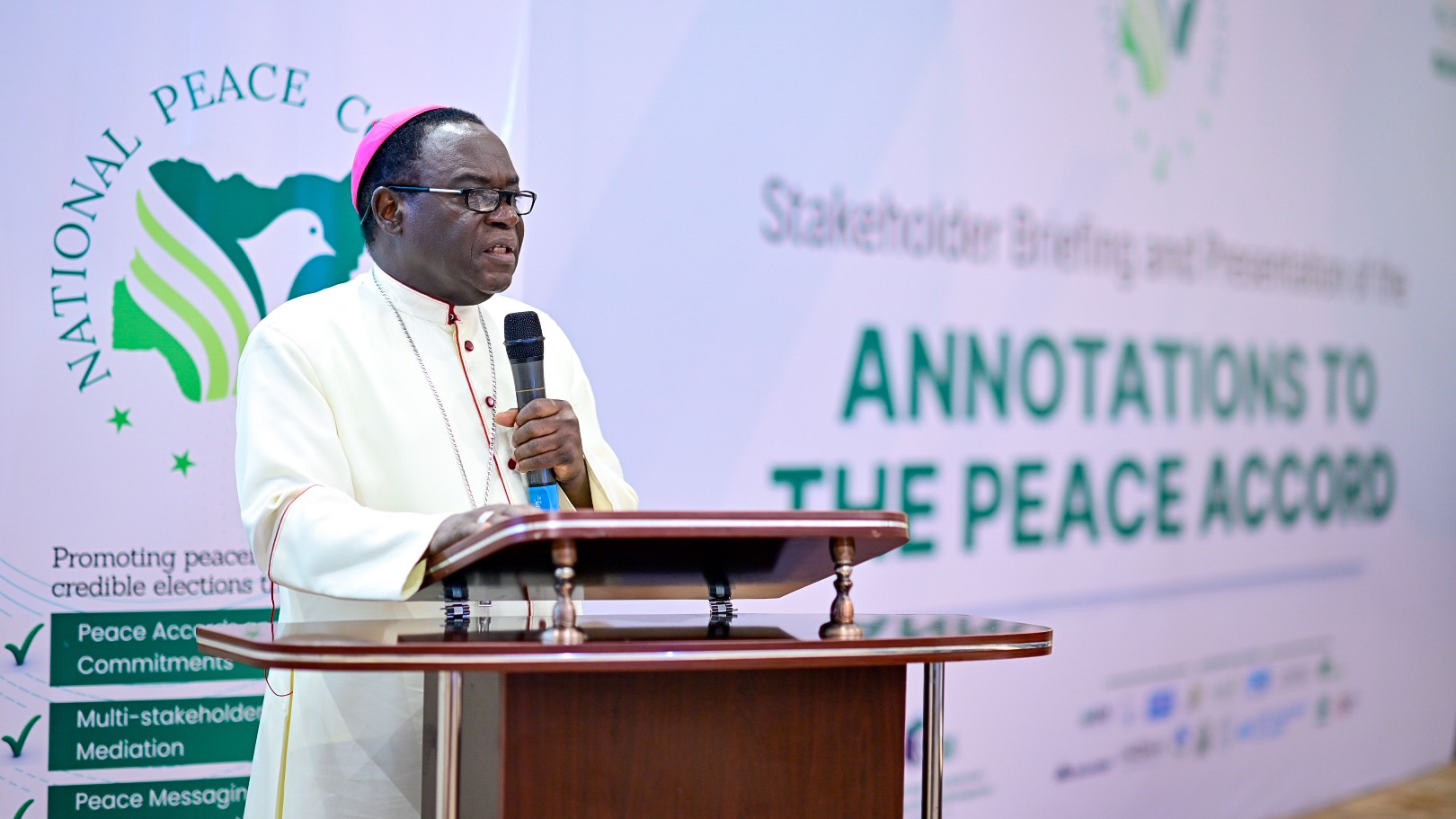
The report, developed by a cohort of 16 civil society organisations under the EU-SDGN II programme, was presented at a media briefing held at the Transcorp Hilton, Abuja. The event highlighted the collective commitment of the partners to promoting transparent, credible, peaceful, and inclusive elections in Nigeria.
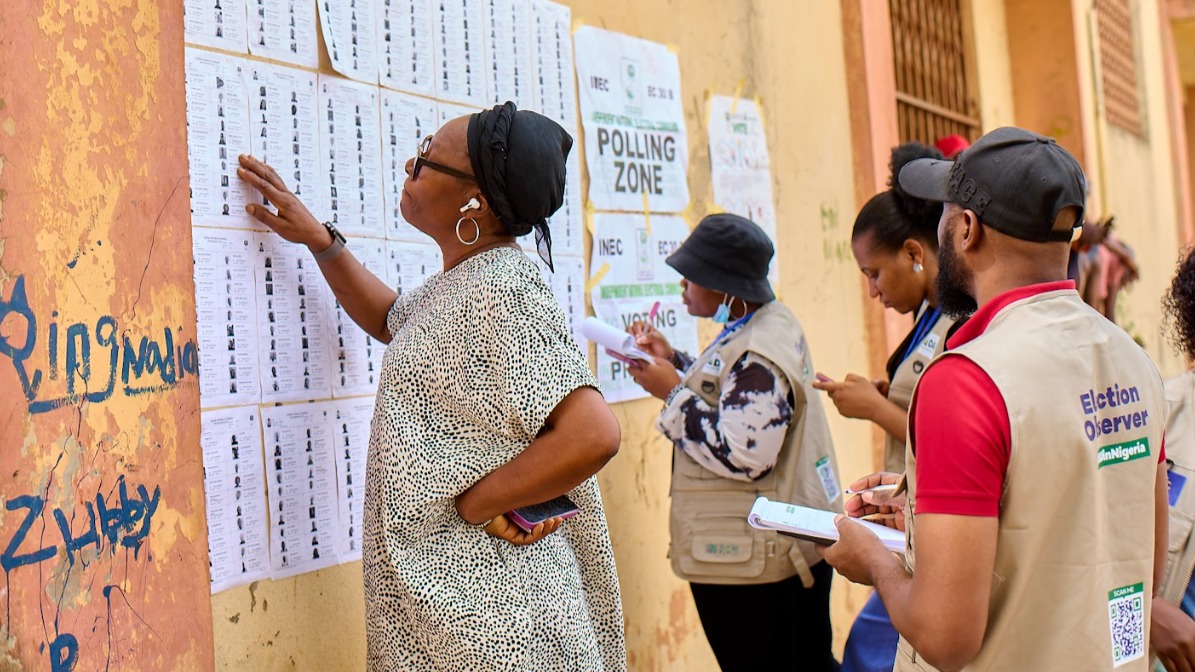
Covering June to September 2025, the report captures both progress and challenges ahead of the November 8 off-cycle election. It records over 168,000 new voter registrations, mostly among women and youth, as well as an encouraging 86% of surveyed Persons with Disabilities (PWDs) who have collected their Permanent Voter Cards. However, it also notes persisting voter apathy, insecurity, and low representation of women in the race, with only two of 16 political parties fielding female candidates.
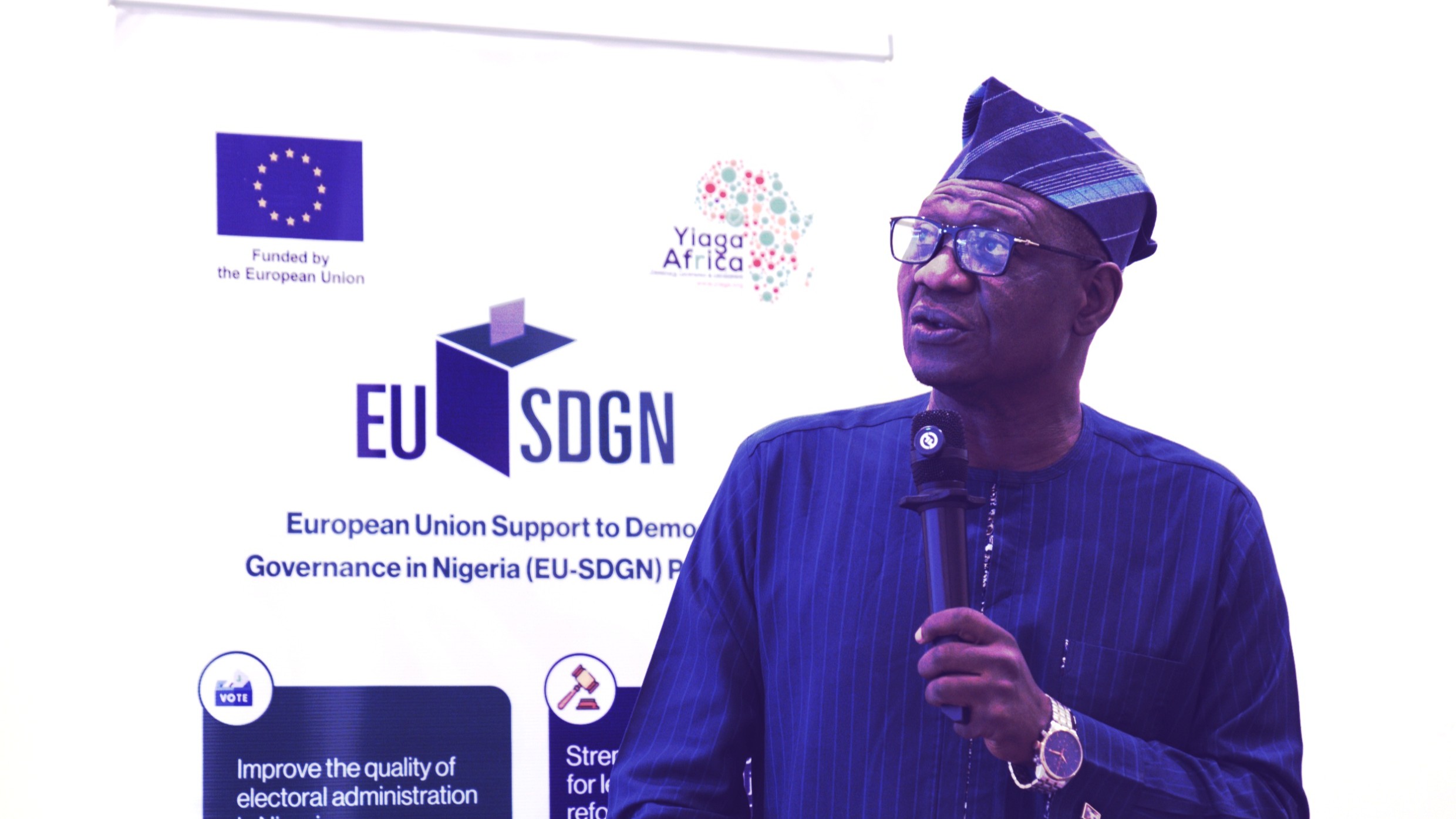
Presenting the report on behalf of the EU-SDGN II implementing partners, the Executive Director of the International Press Centre (IPC), Mr. Lanre Arogundade, said, “The conduct of the assessment by the EU’s flagship programme is consistent with the mission of taking actions and engaging in activities that reinforce efforts to promote transparent, credible, peaceful, and inclusive elections.”
He noted that the process reflected the strength of collaboration among the programme’s six key components, which support INEC, the National Assembly and the Judiciary, Political Parties, the Media, Women, Youth, and Persons with Disabilities, and Civil Society Organisations. “The fact that a cohort of 16 organisations, each with a specific role and focus within the programme, have been working to enhance electoral integrity and foster inclusive political participation serves as evidence of our unwavering commitment to building institutional resilience instead of institutional fragility,” he added.
Arogundade further explained that the assessment was guided by a mixed-methods approach combining context analysis, media landscape study, gender assessment, and disability inclusion review, validated through stakeholder consultations and peer review sessions. “Although much has been accomplished in this endeavour, it is apparent that we cannot afford to rest on our oars, more so as critical challenges remain for the continuous delivery of credible and acceptable elections,” he cautioned.
The report contains 66 actionable recommendations covering electoral offences, INEC preparedness, security coordination, media freedom, gender participation, and disability inclusion. These include enforcing penalties for vote-buying, excluding non-statutory security groups from election duties, ensuring accessible polling stations for PWDs, and promoting gender-sensitive deployment of election officials.
As the Anambra election approaches, the EU-SDGN II partners reaffirmed their optimism that stakeholders would act on these recommendations to deliver a peaceful and transparent election, one that upholds citizens’ rights and strengthens Nigeria’s democratic culture.