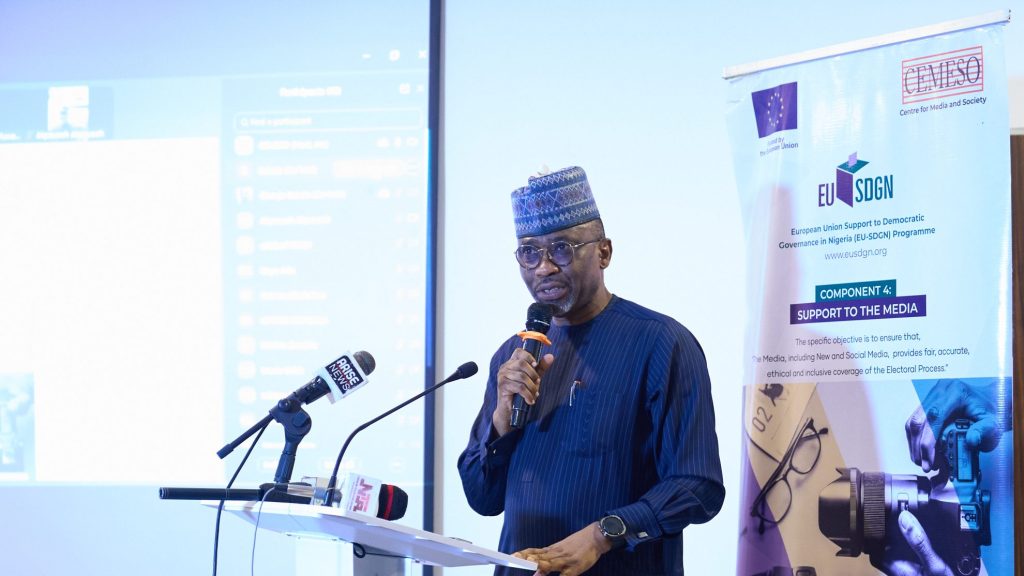
The European Union, through its Support to Democratic Governance in Nigeria (EU-SDGN II) programme, has organised a high-level summit to drive the reforms of the Nigerian broadcast legislation and regulatory framework.
The two-day gathering, held in Abuja from Wednesday, 8 to Thursday, 9 July 2025, brought together stakeholders from government, regulatory agencies, academia, civil society, and the media industry to review the long-standing issues shaping the future of Nigeria’s broadcasting landscape.
The summit spotlighted the urgent need to modernise the National Broadcasting Commission (NBC) Act and transition state-owned broadcasters into genuine public service institutions, a move many agreed was long overdue.
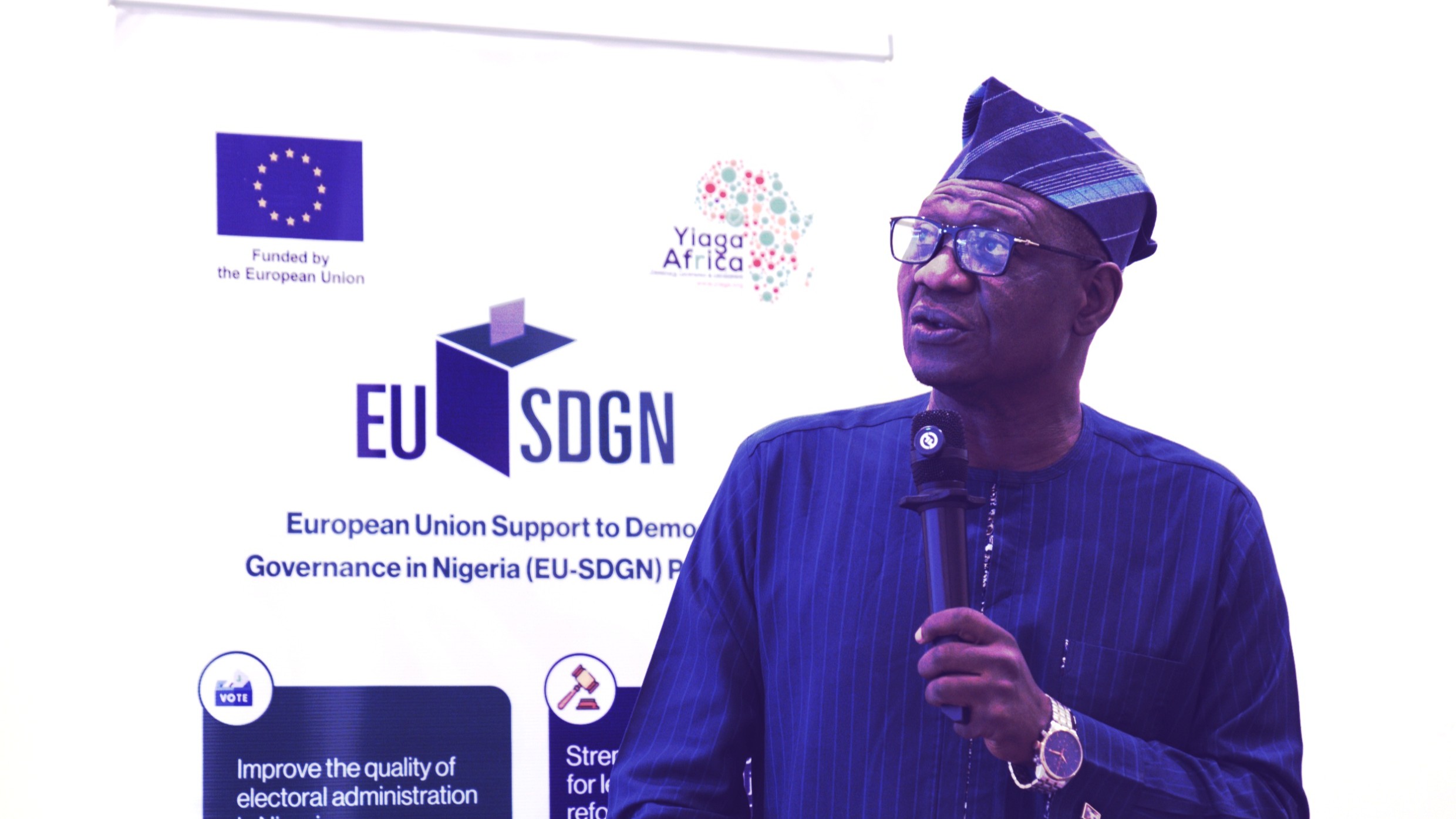
Executive Director of the Centre for Media and Society Studies (CEMESO), Dr Akin Akingbulu, set the tone with a stirring appeal. “We are passing through a unique period in our country’s development. Your participation here signals a shared commitment to strengthening the broadcasting industry through fair regulation, inclusive reform, and professional independence,” he said.
Dr Akingbulu detailed the journey of EU-SDGN’s Component 4, dedicated to media reform saying, “Today’s gathering advances the fourth pillar – reforming the operating environment of the regulator. This summit is not a finish line; it’s the beginning of a marathon.”
Sharing the experience of an insider, Director-General of the National Broadcasting Commission (NBC), Charles Ebuebu, described the initiative as “timely and vital,” noting, “Broadcasting laws must reflect the realities of digital disruption and converged media. A smart and adaptive framework is now non-negotiable.”
Adding further perspective and partnership commitment, Director-General of FRCN, Dr Mohammed Bulama, said, “Our regulatory structure must keep pace with AI, social media, and podcasting. If we don’t reform, we risk extinction. FRCN is ready to partner for a future-proof broadcast sector.”
Professor Umaru Pate, Vice Chancellor of Federal University Kashere, called for “deep constitutional guarantees of editorial independence,” drawing from Ghana’s example of a media commission shielded from political influence.
Executive Director of the International Press Council (IPC), Lanre Arogundade, welcomed the energy in the room. “What’s at stake is the future of Nigerian broadcasting. This is our moment to ensure the environment truly supports professionalism, inclusion, and media freedom.”
As the summit closed, what remained was a shared resolve – to ensure that future generations of Nigerians inherit a media space that is free, inclusive, and equipped to serve a vibrant democracy.