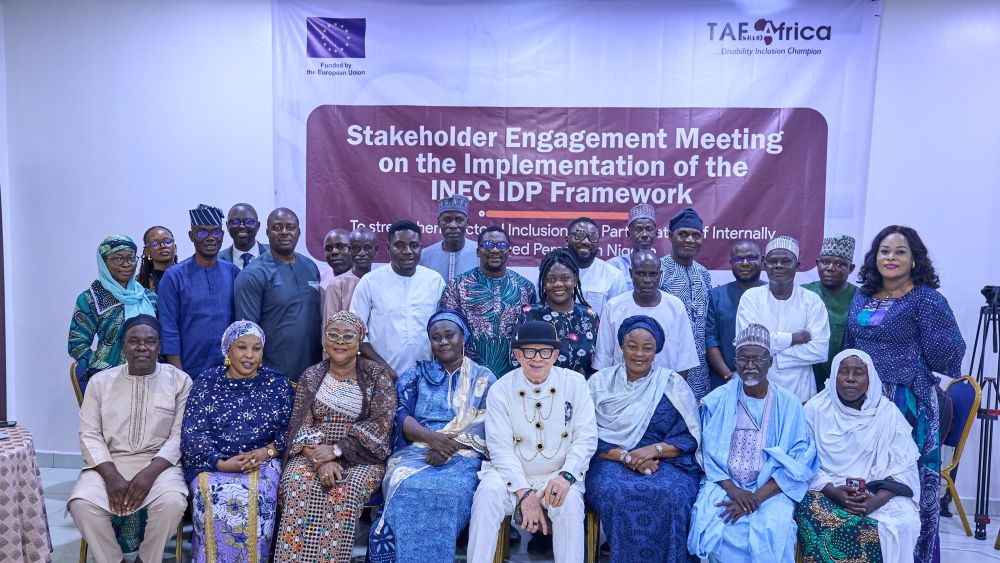
Ahead of the official signing of the Peace Accord by political actors participating in the Ekiti State governorship election, the European Union, through its European Union Support to Democratic Governance in Nigeria (EU-SDGN) programme, alongside critical stakeholders, has commenced the “Socialisation of the Peace Accord” programme in Ado-Ekiti.
The initiative, driven under the political party support component of the EU-SDGN programme by the National Peace Committee in collaboration with The Kukah Centre, began on Tuesday and is expected to run from May 12 to May 15, 2026.
The programme forms part of broader EU-SDGN-supported interventions aimed at promoting peaceful elections, democratic accountability, and inclusive political participation across Nigeria, while intensifying calls for peaceful conduct ahead of the Ekiti governorship poll. The event brought together critical stakeholders to deliberate on electoral peace and the importance of sustaining a violence-free political atmosphere before, during, and after the election.
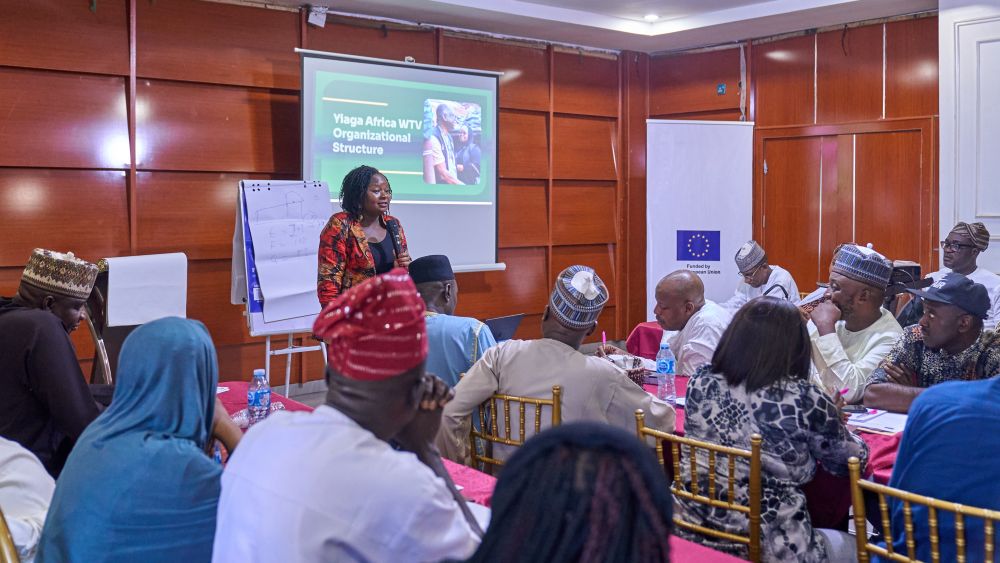
Activities commenced with a presentation on the “Overview of Electoral Context” delivered by the Monitoring, Evaluation and Learning Officer of The Kukah Centre, Deborah Obafemi, who highlighted the need for political actors and citizens to uphold democratic values and avoid actions capable of undermining the credibility of the electoral process.
The programme also featured a presentation on the Peace Accord delivered by the Project Manager of The Kukah Centre, Barrister Asabe Ndahi, who stressed the importance of dialogue, tolerance, and issue-based campaigns among political parties and their supporters.
Speaking with journalists after the event, Ndahi said the organisers provided participants with a political and security overview of Ekiti State, including areas identified as potential flashpoints for electoral violence based on data and observed trends.
According to her, participants were also taken through the clauses of the Peace Accord and enlightened on the penalties attached to violations of the agreement.
“The Peace Accord is a document that can be enforced because it reflects the provisions of the Nigerian Constitution, the Electoral Act 2026, as well as other extant laws, including the Criminal Code and IPAC regulations,” she said.
Ndahi added that political parties represented at the programme demonstrated a high level of compliance and acceptance of the accord, noting that stakeholders are now fully aware of their responsibilities and commitments to the people of Ekiti State and Nigerians at large.
Also speaking, the Chairman of the Inter-Party Advisory Council, Adeniji Akinropo Philip, affirmed the readiness of political parties to ensure peaceful conduct during the June 20, 2026 governorship election.
He said member parties had commenced sensitisation of their supporters on the guidelines issued by the Independent National Electoral Commission, security agencies, and other relevant stakeholders.
Participants later engaged in an interactive session where issues relating to election security, voter education, misinformation, and political violence were discussed.
Stakeholders at the session advocated stronger collaboration among political parties, civil society organisations, security agencies, and the electorate to sustain peaceful democratic participation in the state.
Delivering the closing remarks, another Project Manager at The Kukah Centre, Regina Dogo, urged participants to serve as ambassadors of peace in their respective communities, stressing that credible elections can only thrive in an atmosphere of unity and mutual respect.
The event concluded with a renewed commitment by participants to promote peaceful coexistence and support initiatives aimed at ensuring a credible and violence-free governorship election in Ekiti State.