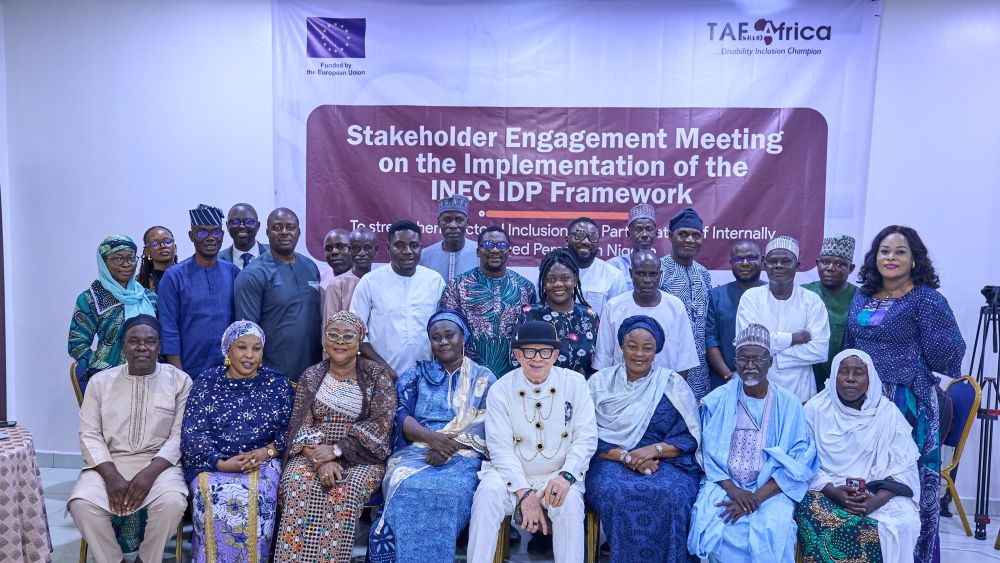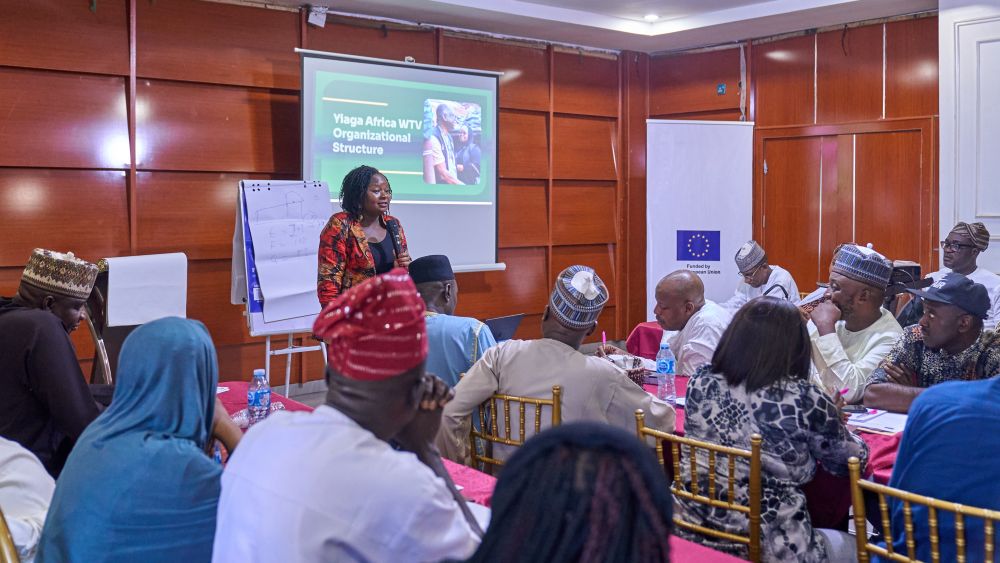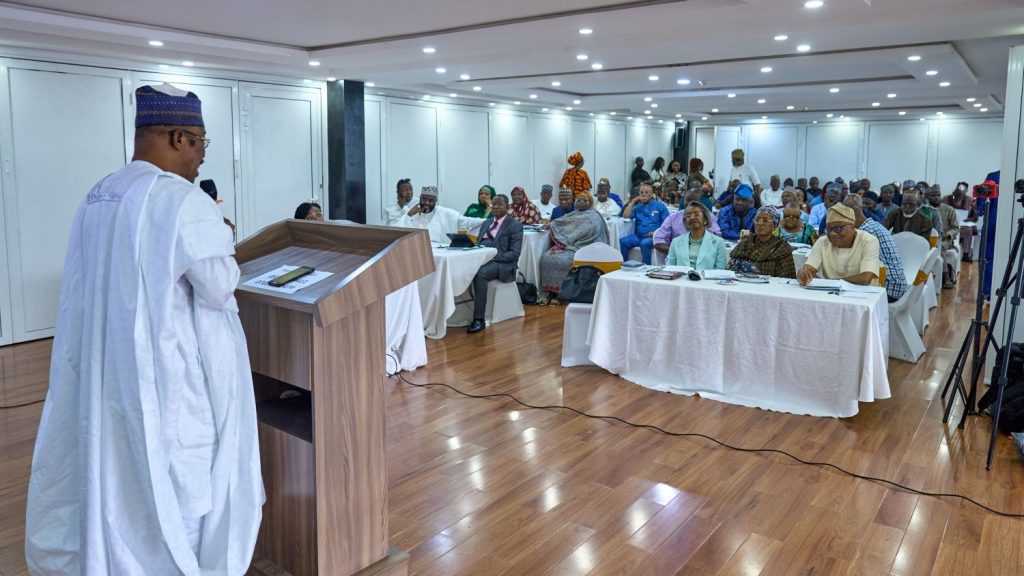
The European Union, under its Support to Democratic Governance in Nigeria (EU-SDGN) Programme and in collaboration with the UK International Development through the Westminster Foundation for Democracy (WFD), has commenced a three-day technical training in Lagos aimed at strengthening political party compliance, reporting systems, and electoral accountability ahead of Nigeria’s 2027 general elections.
The training, which runs from 12 to 14 May 2026, brings together officials of the Independent National Electoral Commission (INEC), political party leaders, election monitoring officials, and technical experts to deepen implementation readiness around the Electoral Act 2026 and the revised INEC Regulations and Guidelines for Political Parties.
Implemented by DAI and The Kukah Centre under the EU-SDGN Support to Political Parties component, the workshop is designed to strengthen institutional capacity around compliance obligations, reporting procedures, and digital monitoring systems introduced under Nigeria’s latest electoral reforms.
The Electoral Act 2026 and the revised INEC Regulations were introduced in response to persistent concerns around political party administration, financial reporting, internal governance, transparency, and accountability within Nigeria’s electoral process. The reforms establish clearer enforcement mechanisms, standardised reporting procedures, and stronger oversight responsibilities for both political parties and electoral authorities.
The Lagos training represents one of the early operational steps to support implementation of the new framework before the 2027 election cycle. Participants are engaging in technical sessions covering political party financial reporting, compliance monitoring, digital reporting systems, and the use of standardised templates within INEC’s reporting architecture. The programme also includes mock compliance audits and practical simulation exercises aimed at improving institutional coordination and reporting accuracy.
Speaking during the opening session, Team Lead of the EU-SDGN component supporting Nigeria’s electoral umpire, Rudolf Elbling, said the initiative reflects a broader effort to strengthen democratic institutions through practical institutional support.
“Electoral reforms only succeed when institutions and political actors are able to operationalise them effectively. This training is focused on implementation, consistency, and institutional accountability,” he said.
Elbling noted that the Electoral Act 2026 introduces important procedural and compliance changes that require technical preparedness across the electoral ecosystem.
“We are moving beyond policy conversations into the systems, processes, and operational capacities required to support credible elections,” he added.
Speaking at the workshop, the Country Director of Westminster Foundation for Democracy, Adebowale Olorunmola, emphasised the need for both INEC and political parties to rebuild public trust in Nigeria’s electoral process.
“The meaningful participation of underrepresented groups, particularly women, young people, and persons with disabilities, depends largely on the perceived credibility, transparency, and non-violent nature of the political system. Citizens are more likely to engage when electoral outcomes genuinely reflect the will of the electorate.”
Executive Director of The Kukah Centre, Rev. Fr. Atta Barkindo, said the intervention forms part of wider efforts under the EU-SDGN programme to deepen democratic accountability and institutional effectiveness.
“Democracy is strengthened when institutions function effectively and when political actors clearly understand both their obligations and the consequences of non-compliance,” he said.
Barkindo noted that the Training of Trainers approach adopted for the programme is intended to support long-term institutional learning within political parties and INEC.
“This goes beyond a workshop. It is about strengthening systems, standardising processes, and building institutional memory that can endure beyond a single electoral cycle,” he added.
At the end of the training, participants are expected to demonstrate stronger capacity in electoral compliance and reporting under the Electoral Act 2026. The programme will also support the development of a structured learning curriculum and workbook, alongside the refinement and validation of reporting and monitoring templates to improve consistency, efficiency, and accountability in political party compliance processes.
The EU-SDGN Programme continues to support efforts aimed at strengthening democratic institutions, promoting transparency, and encouraging peaceful civic participation across Nigeria.