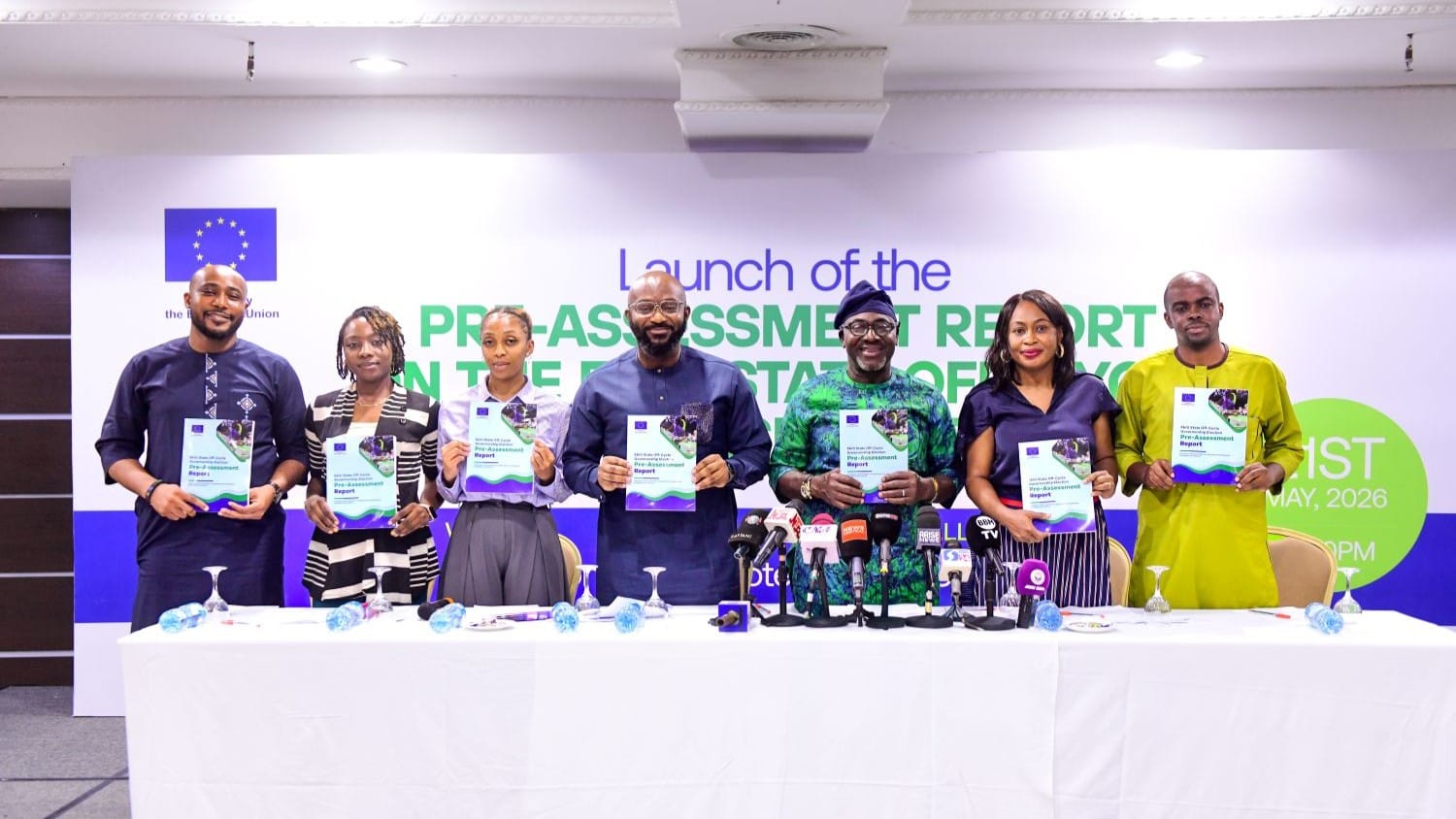
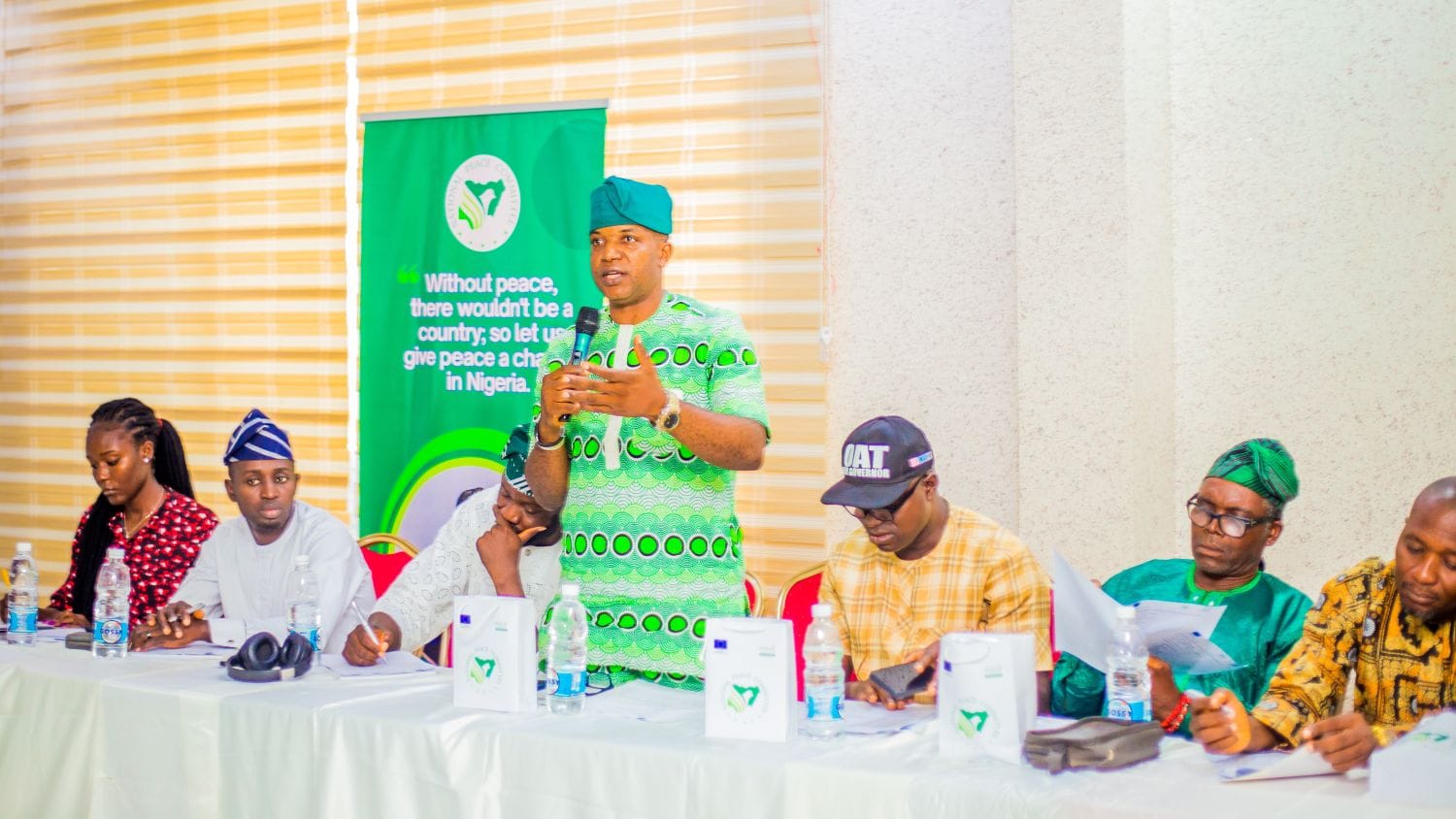
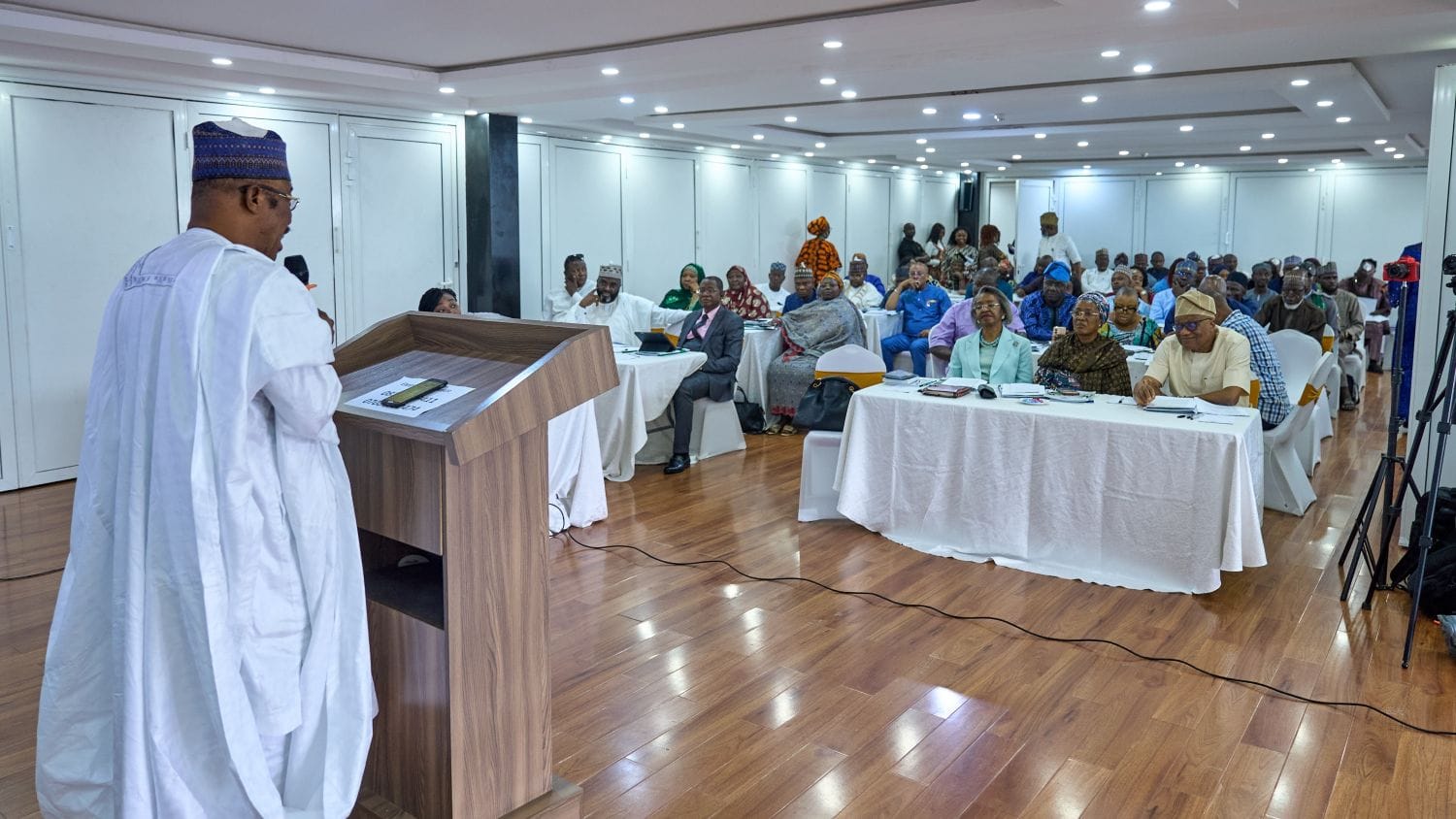
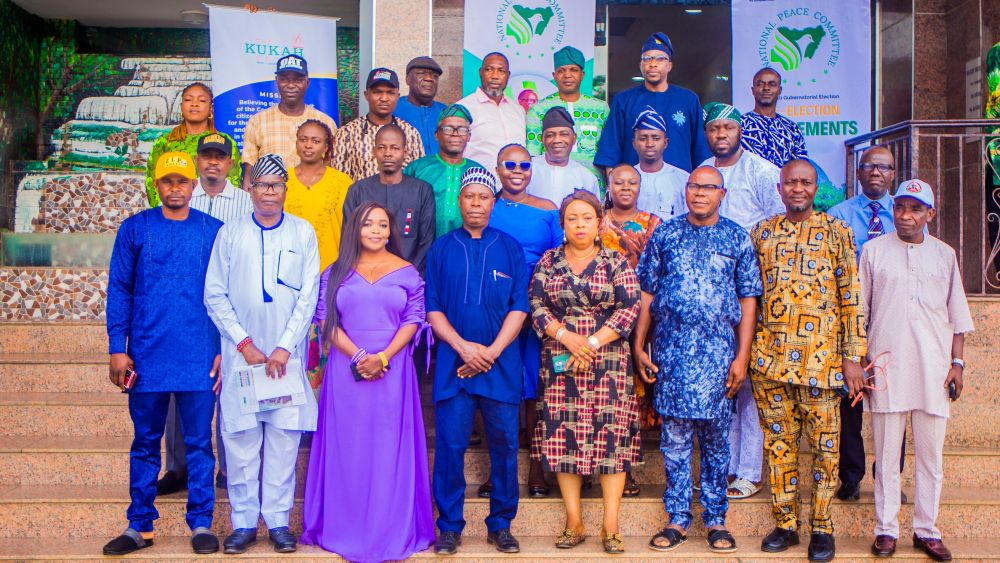
As part of efforts to strengthen Nigeria’s democratic processes, the European Union Support to Democratic Governance in Nigeria (EU-SDGN) recently gathered key media leaders in Abuja to review and improve ethical election reporting on all platforms.
Veteran journalists, media leaders, civil-society activists and expert facilitators came together with a shared aim-to sharpen the role of the media in growing democratic values through responsible, inclusive and fact-driven reporting and storytelling.
Delivering his remarks to kick-start the conversation, Executive Director of the International Press Centre (IPC), Mr. Lanre Arogundade, shared the goal of the engagement saying, “The overall objective is actually to conduct what can be described as a critical review of media performance in the coverage and reportage of electoral and democratic processes,” he noted, stressing the need to chart a better path forward.
He further called for increased media awareness and use of the Freedom of Information Act “to strengthen accountability and improve media engagement in promoting women, youth, and marginalised groups in politics.”
Executive Director of the Centre for Media and Society, Dr Akin Akingbulu, on his part, emphasised the importance of inclusive reporting. He said, “We believe that we must amplify the voices of young people.” “We believe that we must elevate PWD narratives from charity cases to change agents.” He underscored the urgency of transforming state broadcasters into true public service media, advocating for systemic reforms that empower journalists and editors to pursue truth without fear. “We are looking at funding models that liberate rather than shackle,” he added.
Throughout the convening, one issue resonates: a shared concern over the integrity and depth of election reporting. Participant Katherine Odok emphasised the media’s responsibility in countering misinformation. “We all need to fact check,” she said. “Sustaining programmes that are tailored towards civic or voter education will enable the electorate to make informed decisions when they go to the polls.”
Facilitator and veteran journalist Martins Oloja grounded the conversation in the need for both skill and sensitivity in political reporting. “Leadership recruitment is too important to ignore,” he stated. “Journalists covering elections must build their skills, rely on data, investigate facts and do more of solution journalism.”
Beyond all those discussions, participants agreed on a handful of practical steps. They asked that newsrooms grow reporters’ skills-especially for pre- and post-election reporting by pairing them with researchers to help deepen the content of their reports. Mentorship by linking seasoned professionals with newcomers was seen as key to closing the skills gap and renewing ethical standards. They also strongly urged every organisation to set up its own fact-check desk and to work together in a network that counters misinformation and disinformation.
The EU-SDGN-supported initiative provided not only a reflective space but also a clear roadmap for media stakeholders to contribute meaningfully to Nigeria’s democratic future. It stressed the urgency of strengthening journalism’s role in civic education, promoting inclusion, and addressing misinformation head-on – all crucial steps toward credible elections and informed citizen participation.
As Nigeria approaches future elections, the call from this gathering is clear: ethical, inclusive, and data-driven reporting is not just ideal, but essential. The media, through collaboration, commitment to truth, and continuous training, must rise to the task of being both a mirror and a guide for the nation’s democratic journey.