As part of its contribution to the ongoing electoral reforms in Nigeria, the European Union Support to Democratic Governance in Nigeria (EU-SDGN) project has convened a meeting of Civil Society Organisations (CSOs) to develop an electoral reform strategy aimed at addressing some of the identified grey areas in the Electoral Act 2022.
The process to review the Electoral Act 2022 is intended to improve Nigeria’s electoral governance, enhance INEC’s transparency, and strengthen political accountability.
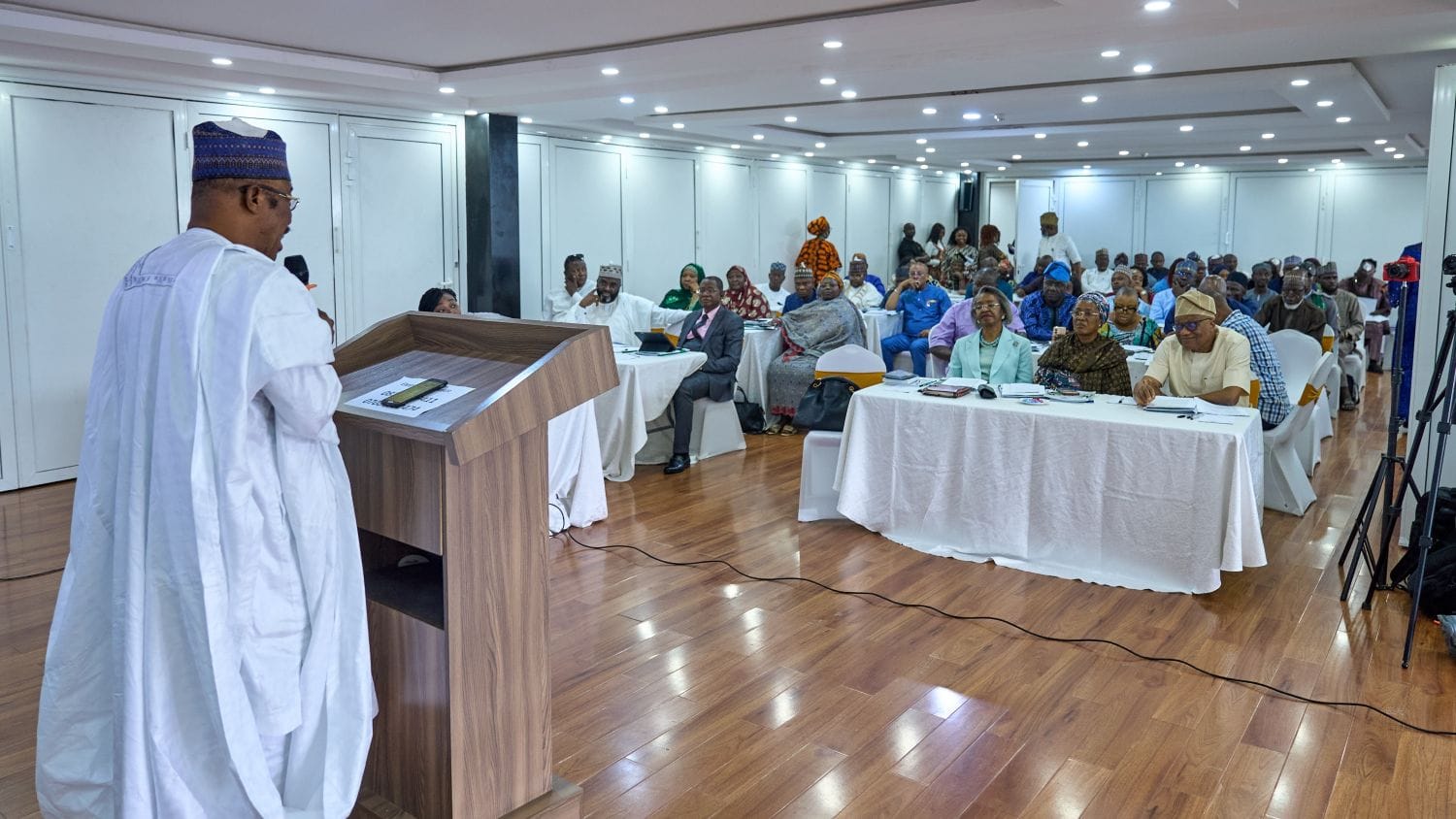
Speaking at a meeting organised by the Policy and Legal Advocacy Center (PLAC), one of the clusters of the EU-SDGN in Abuja on Thursday, a consultant to the joint committee of the National Assembly on electoral reform, Barrister Festus Okoye, said there are many grey areas in the Act that require adjustments.
Barrister Okoye, a former commissioner at the Independent National Electoral Commission (INEC), was speaking on the update on the key proposals and legislative status of electoral reforms in Nigeria (electoral bills and the constitution).
In his presentation, he identified electronic transmission of results as one of the areas to be addressed, stating that it needed to be made mandatory, instead of the current provision that also allows manual transmission.
Barrister Okoye further said the new electoral bill seeks to amend means of identification in voting, such as the acceptance of the national identification number, Nigerian passport, or birth certificate, instead of the permanent voter card (PVC).
He also noted that the new bill raises campaign expenditure limits significantly across the board.
He, however, advised the CSOs to be strategic in their demands to the National Assembly rather than being confrontational.
In his remarks, a resource person, Professor Nkwachukwu Orji of the University of Nigeria, Nsukka, said the meeting was “to formulate a civil society strategy to approach the ongoing electoral reform in Nigeria.”
“The meeting was to agree on what the priorities of civil society are going forward. So, the meeting reviewed the civil society positions and the recommendations that came from the election observation reports. Altogether, the essence of this was to find a unified position for civil society as they approach the ongoing electoral reform process,” he said.
He added that the CSOs’ recommendations for the Electoral Act amendment include voter identification, mandatory transmission of results, amendment of the legal framework to introduce early voting for eligible voters in essential elections, and mandatory testing of technological devices, among others.
He also highlighted constitutional review proposals, including the reorganisation of INEC, appointment of INEC commissioners, appointment of REC members, and the inclusion of special seats and special voting provisions.
Meanwhile, PLAC noted that there have been significant shifts following the retreat by the National Assembly committee on the Electoral Act and constitutional review, stating that this was why “the meeting was called to keep everyone updated and to understand how to readjust to meet future needs.”