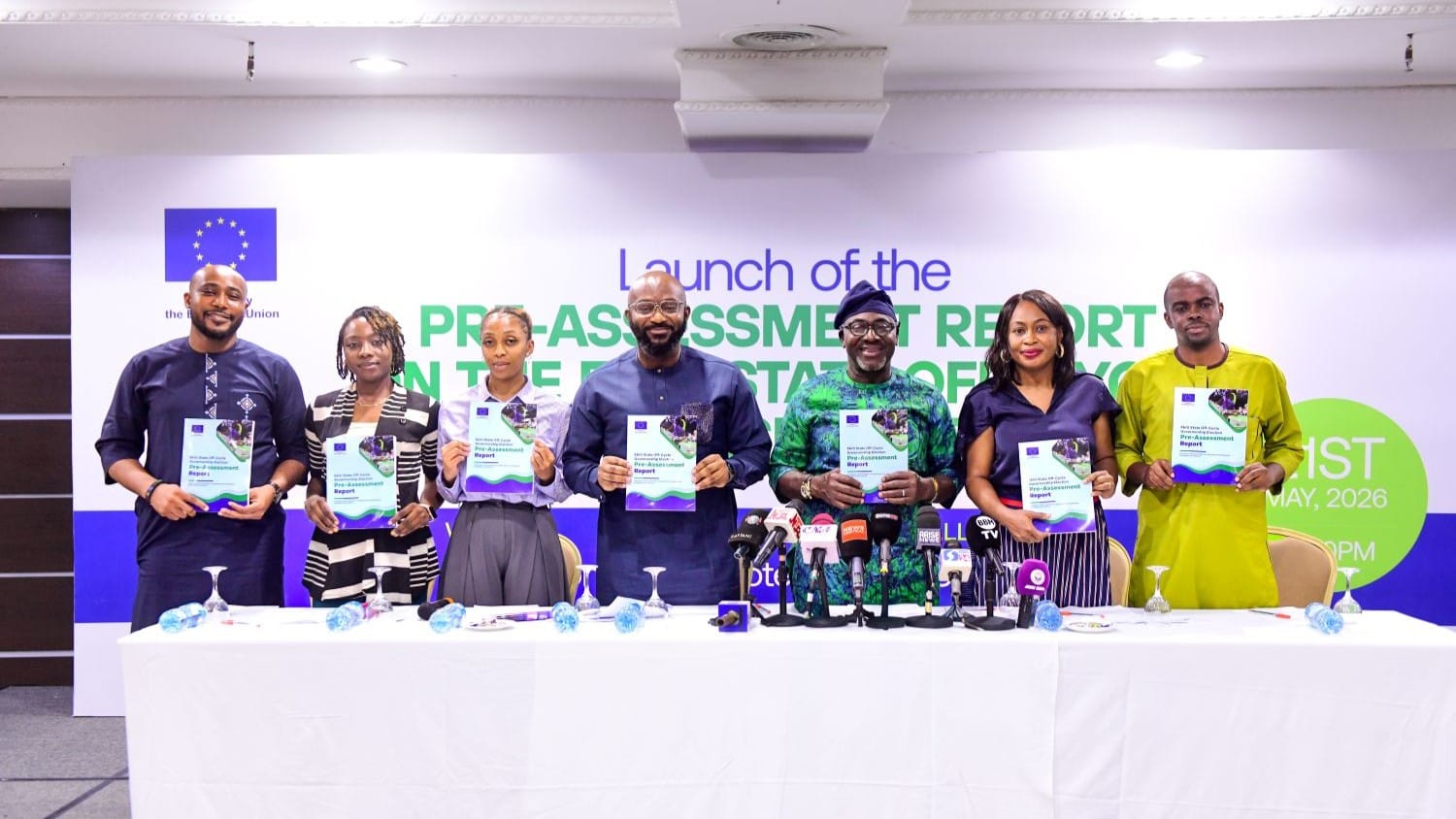
The European Union has expressed its commitment to gender-inclusive democracy in Nigeria, releasing new insights ahead of Saturday’s Anambra governorship election. Through its EU Support to Democratic Governance in Nigeria (EU-SDGN II) programme, the EU has presented a gender pre-election assessment report analysing women’s political participation, voter sentiment, and systemic barriers affecting women in the 2025 poll.
The report identifies the low number of women on candidate lists and persistent gender stereotypes questioning women’s competence and leadership capacity as major risks to inclusion in the upcoming election.
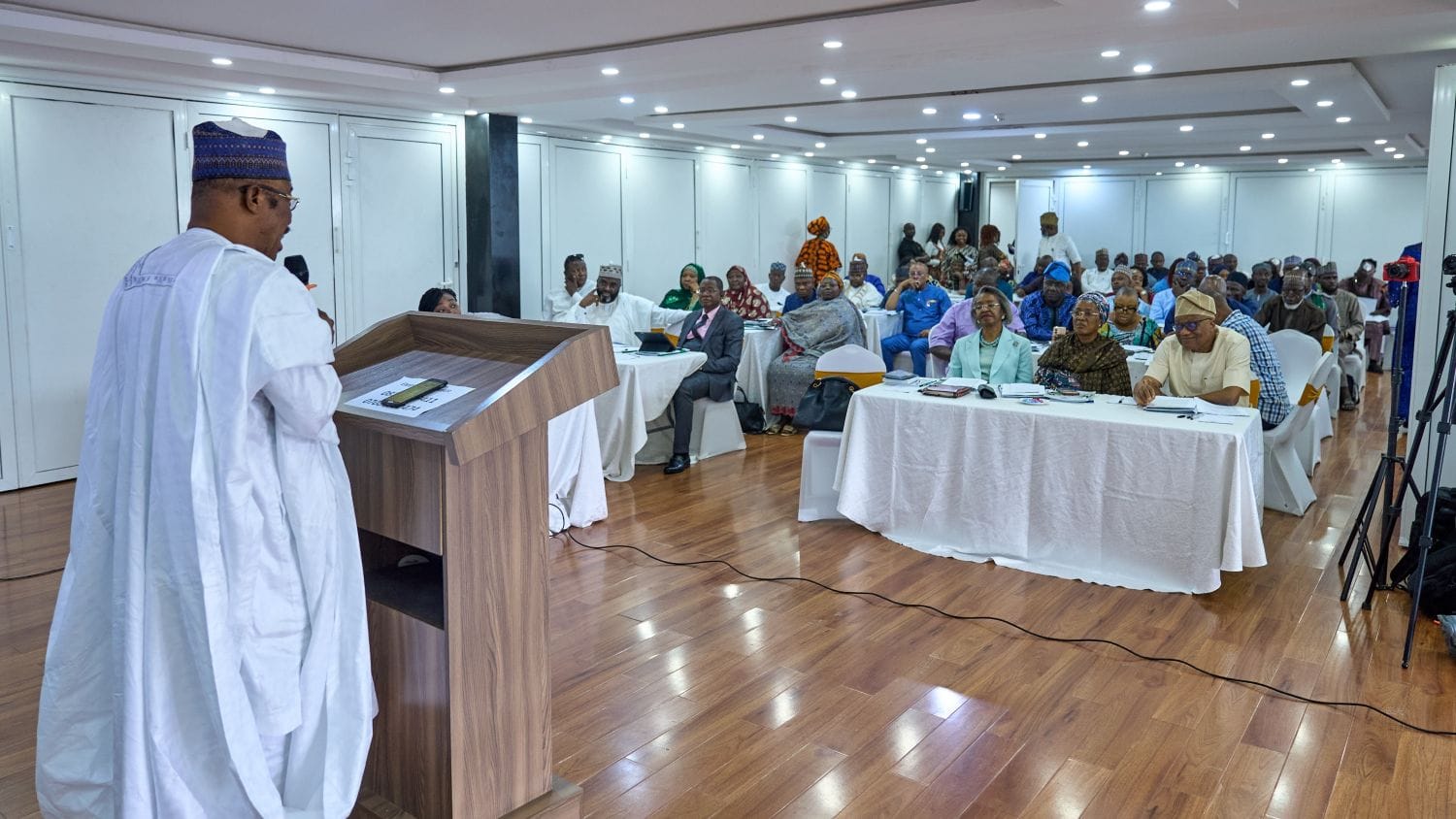
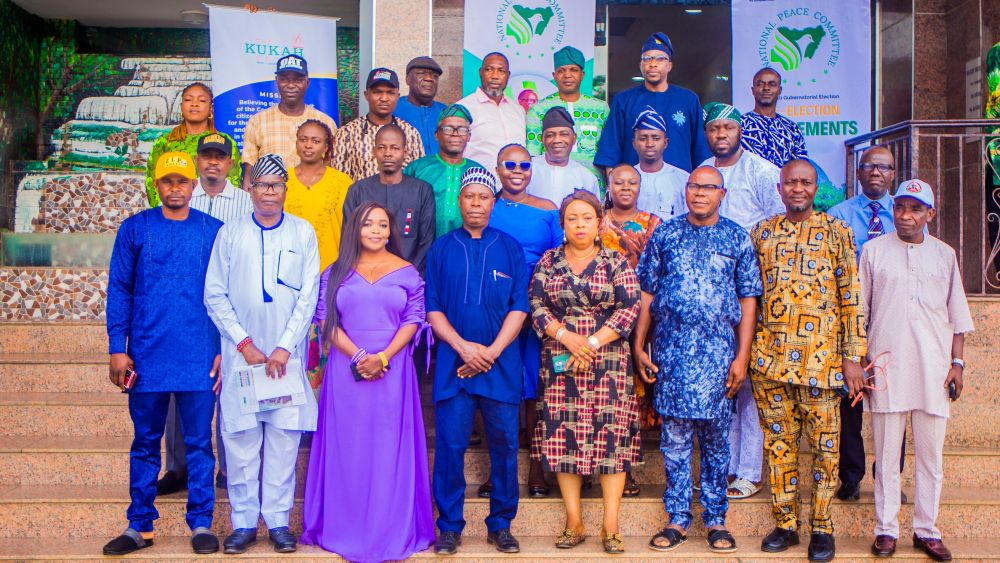
The findings were shared during a joint gender-focused pre-election briefing on Friday in Awka, the Anambra State capital.
According to the assessment, visibility of female candidates remains limited, with 58.1% of respondents saying women in the race are not visible enough, even though 93% affirmed they would vote for a competent female candidate.
The EU-SDGN analysis also highlighted key challenges including gender-based harassment both online and offline targeting female aspirants, weak implementation of political party gender quotas, and limited enforcement of affirmative action measures.
Speaking at the briefing, Vaneza Udegbe Gregory, Programme Lead at the Nigeria Women Trust Fund (NWTF), called for strengthened gender-sensitive electoral guidelines within INEC, institutionalised gender quotas, reduced nomination fees for women, and confidential reporting systems for electoral gender-based violence.
Also speaking, Ibijoke Faborode, CEO of ElectHER, noted that democracy is incomplete without data-driven gender inclusion. She explained that ElectHER conducted a rapid perception poll of 603 women across all 21 LGAs in Anambra as part of its flagship “To Vote or Not to Vote” analysis. According to her, 92.8% of respondents confirmed they have collected their PVCs, 82.8% intend to vote, 13.2% are undecided, and 4% plan to abstain. The top concerns among respondents are security at 63.6%, unemployment at 51.1%, and healthcare at 43.7%. She added that 65.3% cited fear of violence as the biggest deterrent to participation, while 39.7% expressed distrust in the electoral process.
Faborode further stated that despite national declines in women’s representation, Anambra remains a national outlier, being the only state to have produced a female governor, the highest number of female senators, and six female federal ministers across administrations.
The 2025 election also reflects a milestone, with 37.5% of deputy governorship candidates being women, the highest in the state’s history and a continuation of Anambra’s legacy of pioneering women’s leadership.