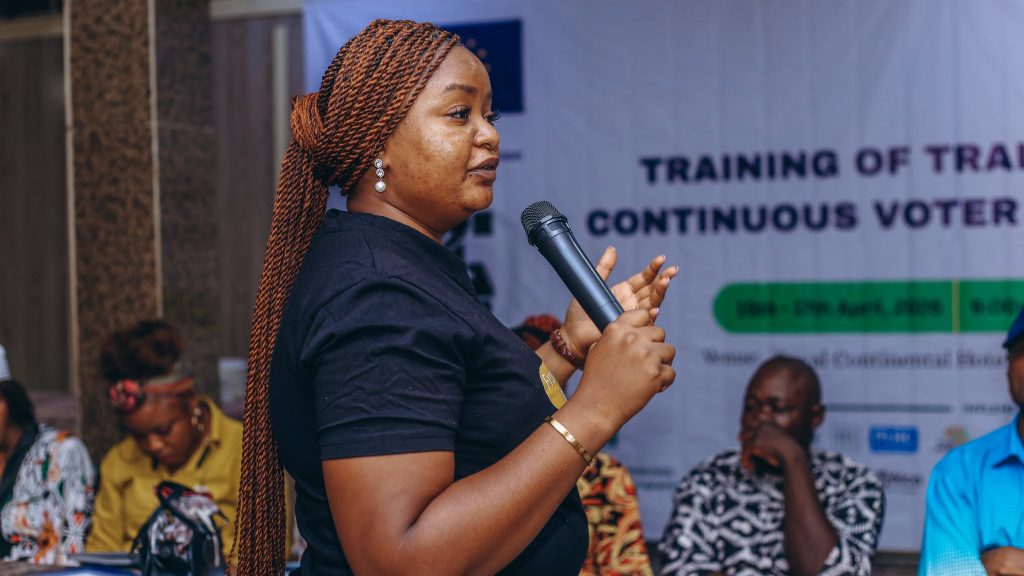
The European Union, through its Support to Democratic Governance Programme (EU-SDGN), has trained grassroots women leaders in Osun State under its Continuous Voter Education initiative, advancing efforts to strengthen voter awareness, counter misinformation, and promote inclusive participation in electoral processes.
The initiative, implemented by the Nigerian Women Trust Fund (NWTF), a member of the EU-SDGN cohort, is projected to reach more than 10,000 women through a cascading outreach model that empowers trained participants to extend voter education within their communities. The training was held on Wednesday across selected locations in the state.
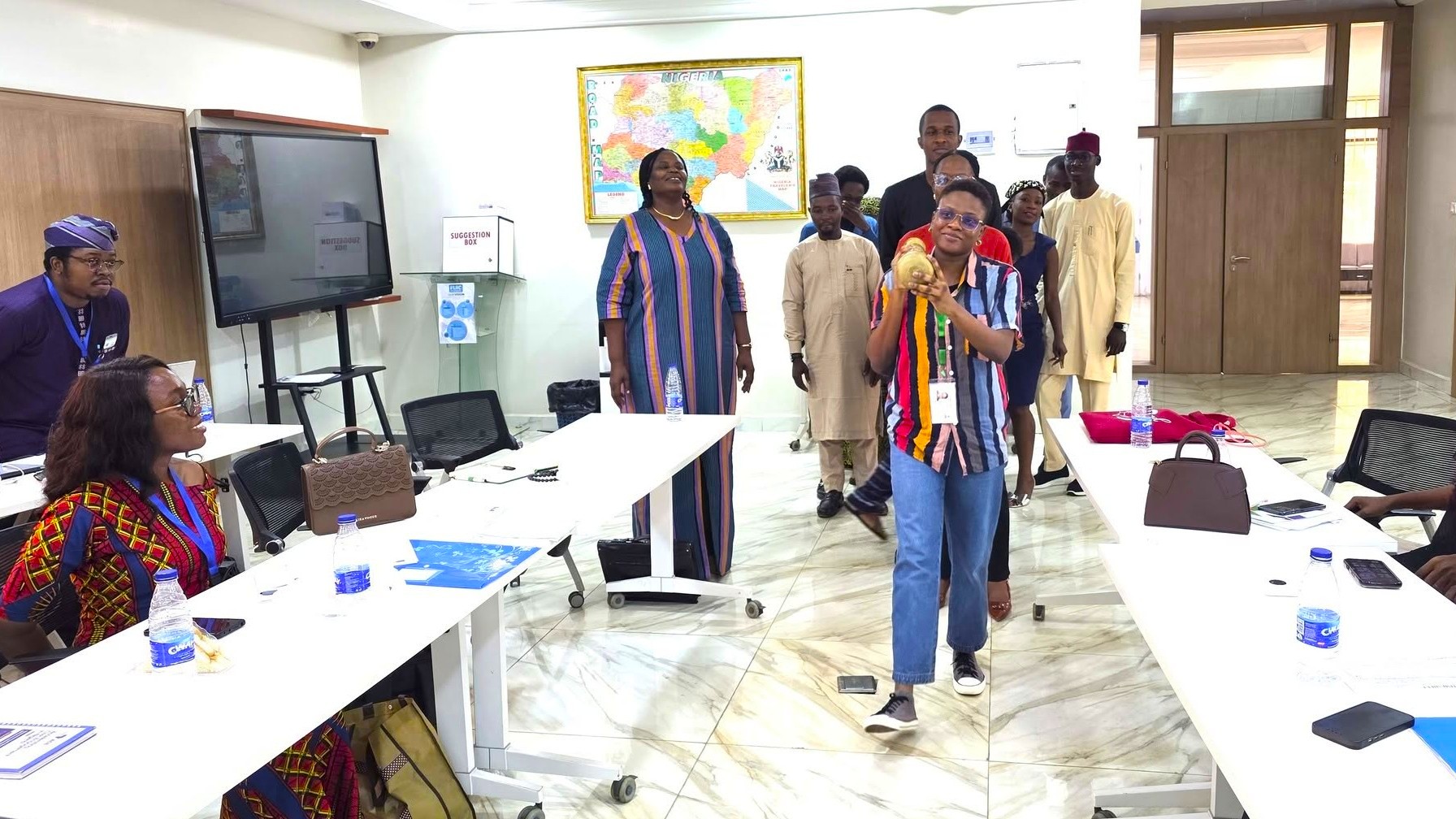
The training brought together women from market associations, traditional and religious institutions, apprenticeship networks, and community-based organisations, reflecting a deliberate focus on grassroots engagement and inclusion.
In her remarks, the Chief Executive Officer of NWTF, Brenda Anugwom, represented by Venesa Gregory, a programme officer of the organisation, emphasised the importance of sustained voter education in strengthening democratic processes.
“Continuous voter education ensures that women are not left behind in democratic processes. When women are informed and confident, they participate more meaningfully and help strengthen the credibility of elections,” she said.
A core feature of the programme is its multiplier approach. Under the model, 50 trained women leaders are each expected to reach at least 200 women within their networks, extending accurate electoral information to underserved and hard-to-reach communities.
The training adopted participatory and practical learning methods, including group discussions, role plays, and scenario-based exercises. These sessions focused on voter rights and responsibilities, understanding electoral processes, and identifying and countering misinformation at the community level.
Discussions also highlighted persistent information gaps in rural communities, where limited access to civic education continues to affect women’s participation in elections. Participants explored strategies for addressing these gaps through peer-to-peer engagement and locally relevant communication approaches.
According to NWTF, the initiative is designed to strengthen community-level information systems by enabling trained leaders to consistently share accurate and accessible electoral knowledge within their networks. Sustained voter education, the organisation noted, remains critical to improving informed decision-making and public confidence in electoral processes.
Participants described the training as practical and timely, noting that it enhanced their capacity to engage other women on electoral issues and encourage peaceful participation. They also called for the expansion of similar interventions, particularly in rural areas where civic knowledge gaps remain significant.
The programme forms part of broader efforts by the European Union, through its Support to Democratic Governance Programme, to deepen democratic participation in Nigeria through inclusive, citizen-centred initiatives that promote accountability, trust, and engagement