As preparations intensify for the 15 August 2026 Osun Governorship Election, the Kukah Centre, secretariat of the National Peace Committee, has convened a high-level Stakeholders’ Validation Forum to strengthen early warning systems and preventive action for peaceful elections. The engagement is implemented by the Kukah Centre with support from the European Union.
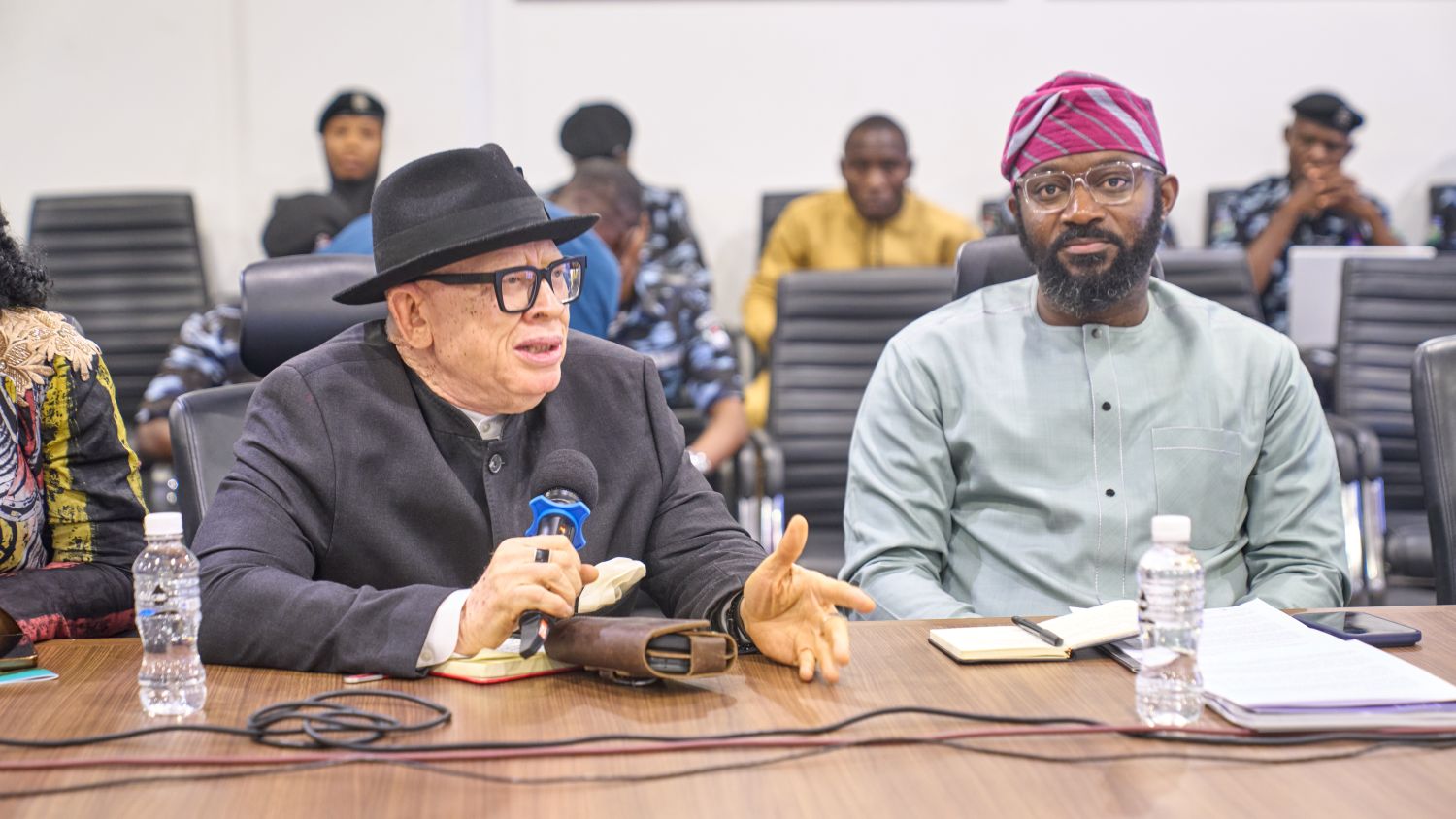
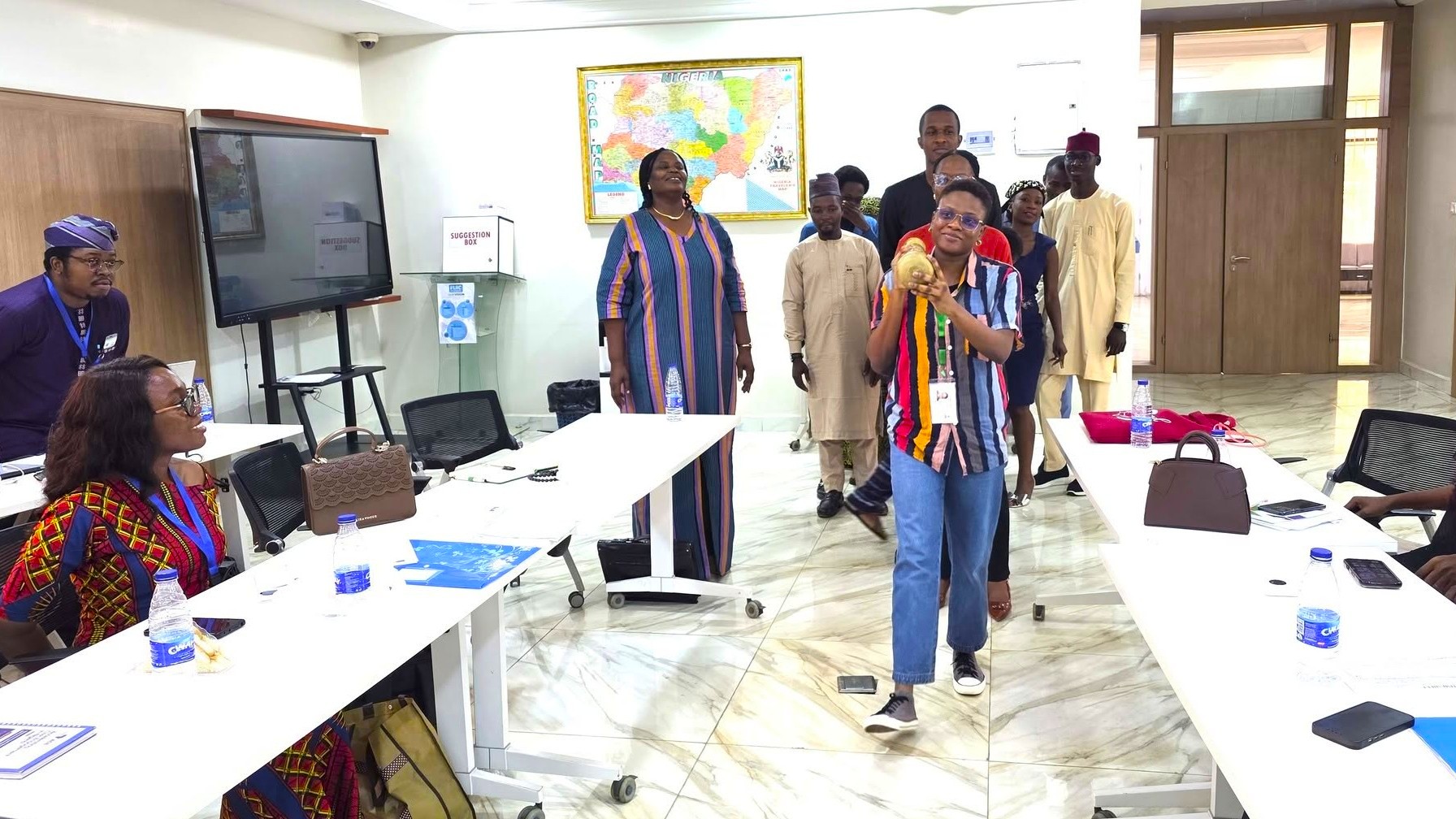
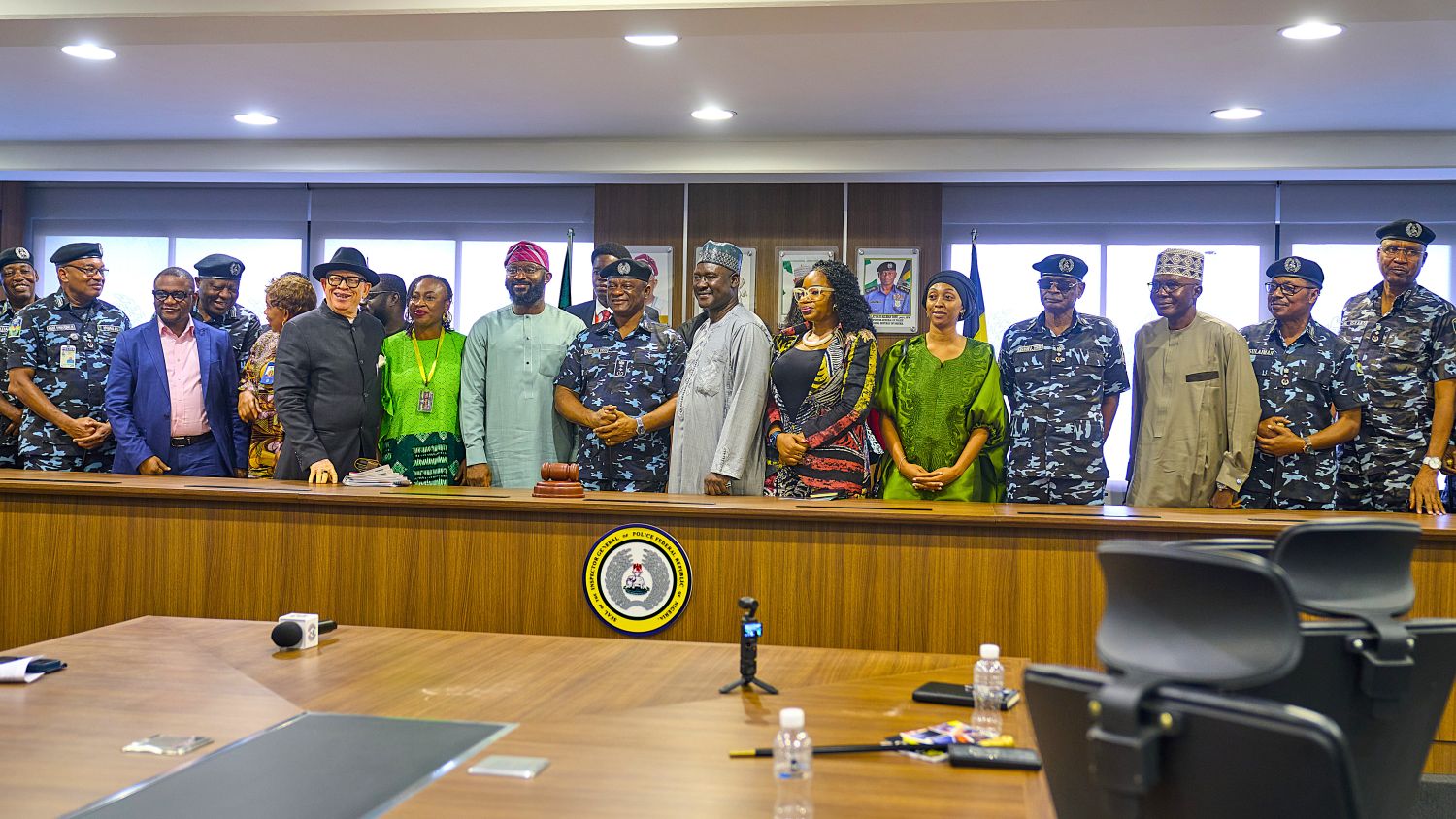
The forum, part of the Committee’s support for political parties, was held across Osun’s three senatorial districts. It brought together INEC, security agencies, political parties, IPAC, CSOs, traditional and religious leaders, and the media to validate findings from the Political, Social and Security Context Analysis and the Compliance Assessment Report (CAR), and to strengthen coordination on emerging electoral risks.
Speaking during the engagement with stakeholders in Osun East (Ile-Ife), NPC Project Manager, Barr. Asabe Ndahi, described the election as a defining moment for democratic consolidation.
“The 2026 governorship election is not just a state contest, it is a critical test of democratic integrity and a key indicator ahead of 2027,” she said.
She noted that while compliance with electoral procedures shows progress, deeper structural gaps remain.
“Progress is evident, but gaps persist between procedures and democratic practice, especially around political competition, governance tensions, and public trust,” Ndahi added.
Validated findings point to a highly competitive and increasingly fragmented political landscape shaped by recent realignments. While the environment remains relatively stable, stakeholders warned that unresolved local governance disputes, questions around security neutrality, and expanding informal mobilisation networks could escalate tensions if not addressed early.
The Compliance Assessment Report further highlights weak internal party democracy, with candidate selection largely driven by elite bargaining, alongside limited inclusion of women, youth, and persons with disabilities. Transparency and accountability gaps within party structures also remain a concern.
Ndahi stressed the urgency of coordinated preventive action.
“These risks are not beyond management, but they require timely, deliberate, and coordinated responses from all actors,” she said.
Stakeholders emphasised that electoral violence is often rooted in unresolved political and institutional issues, calling for strict adherence to Peace Accord commitments, strengthened collaboration, and conflict-sensitive engagement.
INEC reaffirmed its commitment to neutrality, transparency, and credible electoral management, noting that public trust depends on consistent accountability and effective communication.
The forum concluded with a shared commitment by programme partners and stakeholders to translate analysis into action, strengthen early warning systems, mitigate risks, and promote peaceful civic participation across Osun State. Together, they reiterated their commitment to ensuring a peaceful, credible, and inclusive 2026 Osun Governorship Election that reflects the will of the people.