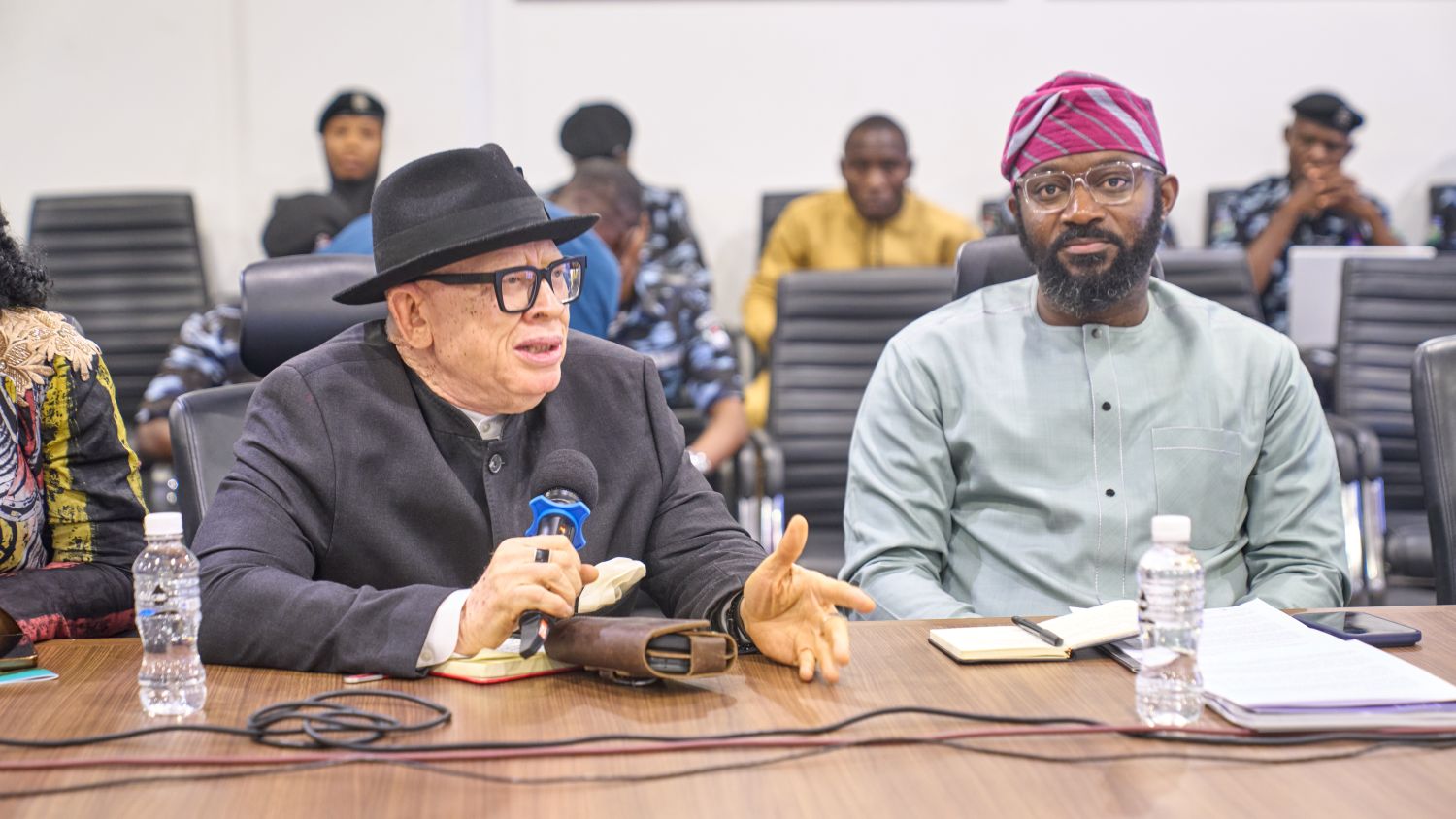
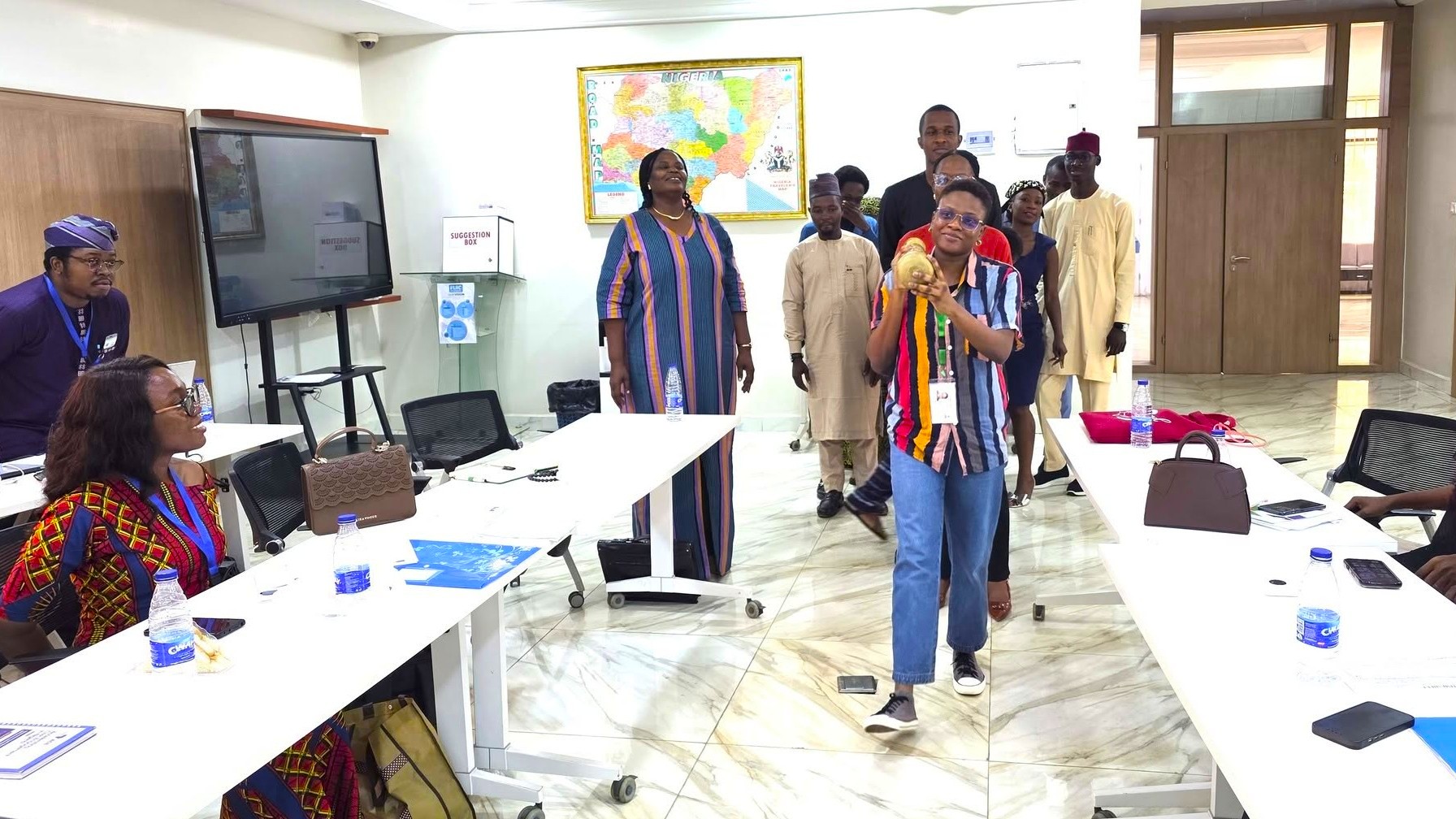
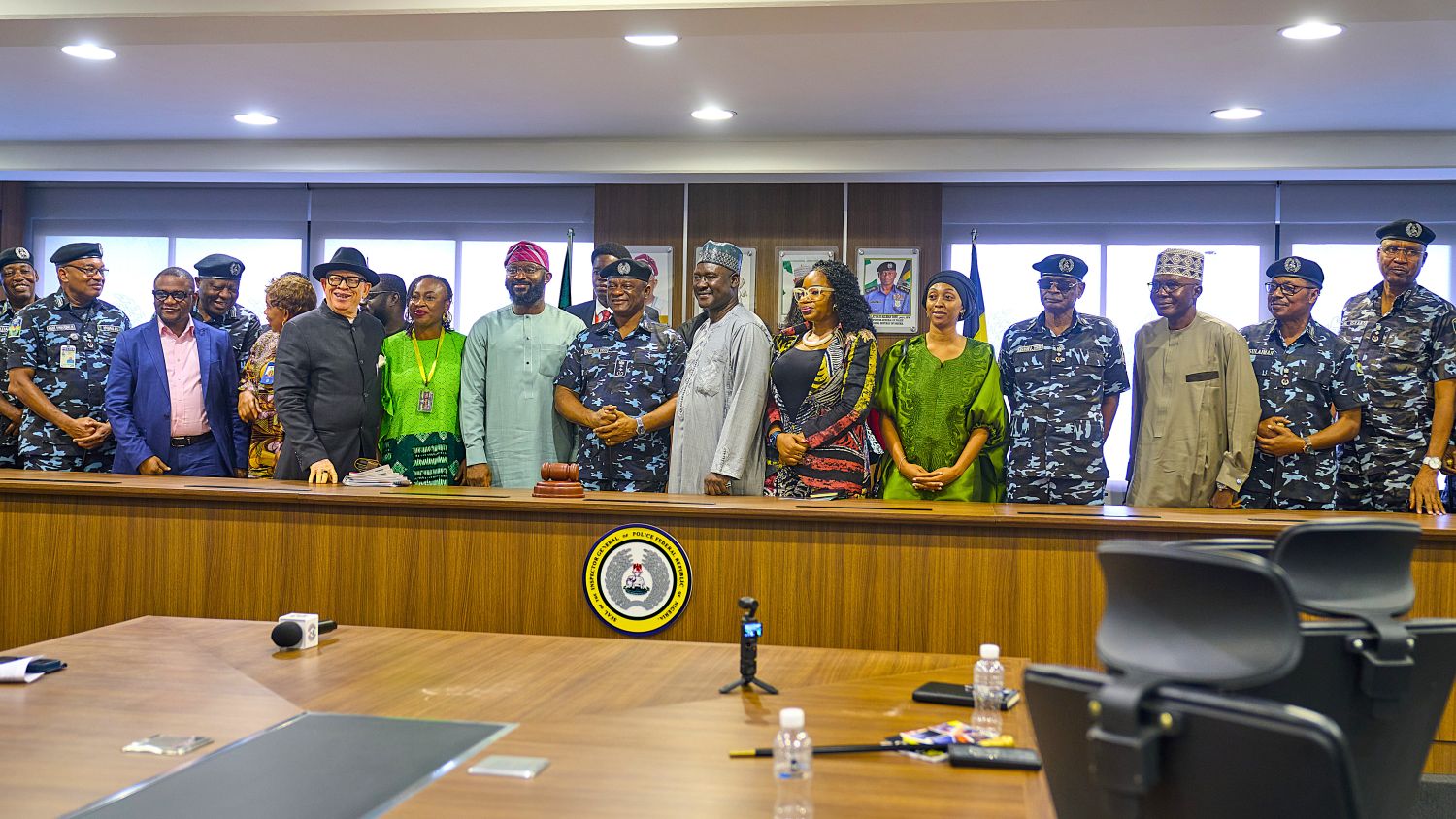
The European Union Ambassador to Nigeria and ECOWAS, Gautier Mignot, hosted the 2025 cohort of the Legislative Internship Programme at the EU Delegation office in Abuja on Monday, marking the last week of their 10-week engagement with the National Assembly.
The interns, selected and deployed under the European Union Support to Democratic Governance in Nigeria (EU-SDGN) by the Policy and Legal Advocacy Centre (PLAC), were joined by OlaOluwa Olawumi, EU Programme Manager for Democracy, Rule of Law, and Gender Governance.
The Legislative Internship Programme provides young Nigerians with hands-on experience in legislative processes, committee work, and democratic governance. The 2025 cohort represents a diverse group of aspiring leaders committed to shaping Nigeria’s future through public service and civic engagement.
In his remarks, Ambassador Mignot emphasised the EU’s commitment to strengthening democratic institutions and empowering young Nigerians through strategic partnerships.
He described the EU-AU relationship as “second to none,” citing its depth across humanitarian aid, development assistance, and people-to-people exchange. “This partnership delivers,” he said, referencing the EU’s Global Gateway Investment Strategy, which aims to link official development assistance with private investment to accelerate progress toward the Sustainable Development Goals.
Mignot noted that Nigeria remains the EU’s largest trading partner in Africa and a key recipient of foreign direct investment and development assistance. “We are active across sectors, green energy, climate-smart agriculture, health, digital economy, and governance,” he said. “But we also recognise the scale of Nigeria’s population and the need to prioritise youth and women in all our projects.”
He highlighted several youth-focused initiatives, including the Nigeria Jubilee Fellowship Programme, which offers 12-month internships to young graduates to help them integrate into the labour market, particularly in small and medium-sized enterprises. He also mentioned the EU’s support for digital transformation centres aimed at equipping young entrepreneurs with the skills to grow their startups.
“We want young people not just as objects but as stakeholders,” Mignot said, pointing to the EU’s Youth Sounding Board in Nigeria, a group of 25 young Nigerians selected from across the country to provide feedback and act as youth ambassadors. “I always make it a point to engage with students when I travel across Nigeria. It’s a priority for us.”
The Ambassador also reaffirmed the EU’s support for the National Assembly, particularly in areas like constitutional review. “We don’t implement projects ourselves; we fund them through partners like PLAC, who help us roll out our cooperation with the legislature,” he said.
OlaOluwa Olawumi echoed the Ambassador’s sentiments, expressing appreciation for the interns’ contributions and encouraging them to reflect on their experiences. “We hope this exposure inspires some of you to pursue careers in politics and legislative work,” she said.
“Supporting democracy in Nigeria is a key priority for us, and we’ve done this through electoral observation missions and other democratic strengthening efforts.”
Olawumi urged the interns to remain engaged beyond the programme. “If you don’t remember anything else, remember to engage,” she said. “There are many others who would love to have this opportunity, so it’s important to make the most of it.”
She concluded by inviting the interns to share feedback on how the programme could be improved for future cohorts. “We take this seriously. You’ve had close engagements with lawmakers and committee work. Now we want to hear from you, what worked, what didn’t, and how we can make it better.”
Meanwhile, the interns unanimously described the programme as both impactful and inspiring, emphasising that the experience had deepened their understanding of legislative processes.
One of the interns, Chioma Nsude, representing Enugu State and posted to the Senate Committee on Constitutional Review, commended the European Union for funding the internship and PLAC for its effective coordination. She noted that working with the committee was a valuable experience, describing them as “very efficient people.”
Reflecting on her journey, she said: “I can’t believe I’m actually here, meeting the people I’ve met in the National Assembly and now meeting His Excellency, the Ambassador. Thank you very much, sir. I would, however, like to make this contribution: the experience feels quite short. At first, we are just finding our feet, then we begin to balance, and just then, we are taking off, it ends. I believe extending the programme would give us more time to make meaningful contributions.”
Another intern, Paul Dimlong from Plateau State, who served with the Senate Committee on Media and Public Affairs, also expressed gratitude to the EU and PLAC. “We are a grateful people, responsible and responsive youth. We served with passion because we believe in Nigeria. With what has been happening across the continent, we have come to appreciate democracy and the role the EU plays in supporting it here. On behalf of all of us, I must thank you for your contributions and support to PLAC and the National Assembly. That being said, it has been a beautiful but short experience.”
He further suggested that, beyond extending the programme, the EU could consider engaging interns at the state level for advocacy initiatives that align with both PLAC and EU priorities. “I’m sure such engagements would generate great ideas,” he added.
In her remarks, Nkiru Nzodi, Programme Manager at PLAC, explained that the visit aimed to familiarise the interns with the workings of the EU and expose them to possible opportunities they could explore in the future. She commended the EU for its consistent support over the years, which she said has been instrumental in strengthening democracy in Nigeria.
In response, Ambassador Mignot acknowledged their recommendation and assured them that it would be given thoughtful consideration in ongoing consultations.